Channel letter guides
Everything a business owner asks before, during and after buying a lit sign: styles, sizes, permits, installation, power and repairs.
Sign styles

304 stainless vs aluminum channel letters compared
Most channel letters are aluminum; ours are 304 stainless steel. How the two metals compare on corrosion, finishes, stiffness, weight and seaside sites.
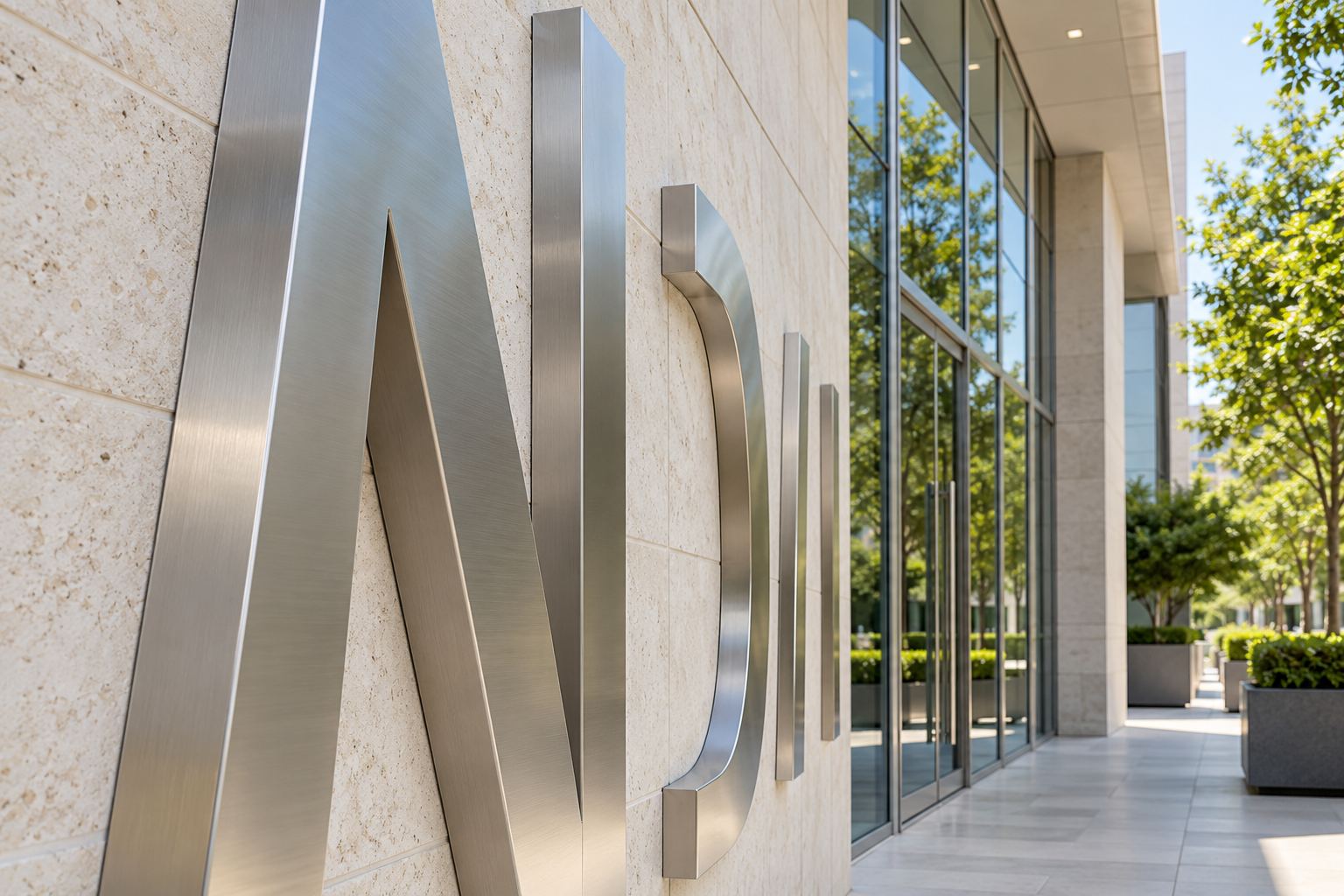
Channel letters vs dimensional and flat-cut letters
Channel letters, fabricated dimensional letters and flat-cut letters compared: how each is built, how it looks by day and at night, and where each fits.

Channel letters vs lightbox signs: which one fits?
Individual channel letters or one lit cabinet? Compare look, artwork, sign area, landlord rules, rebranding and cost drivers before you choose your sign.

Front-lit vs halo-lit vs open-face channel letters
The three ways channel letters light up, how each looks by day and at night, how far it reads, what wall it needs and where each style fits best.
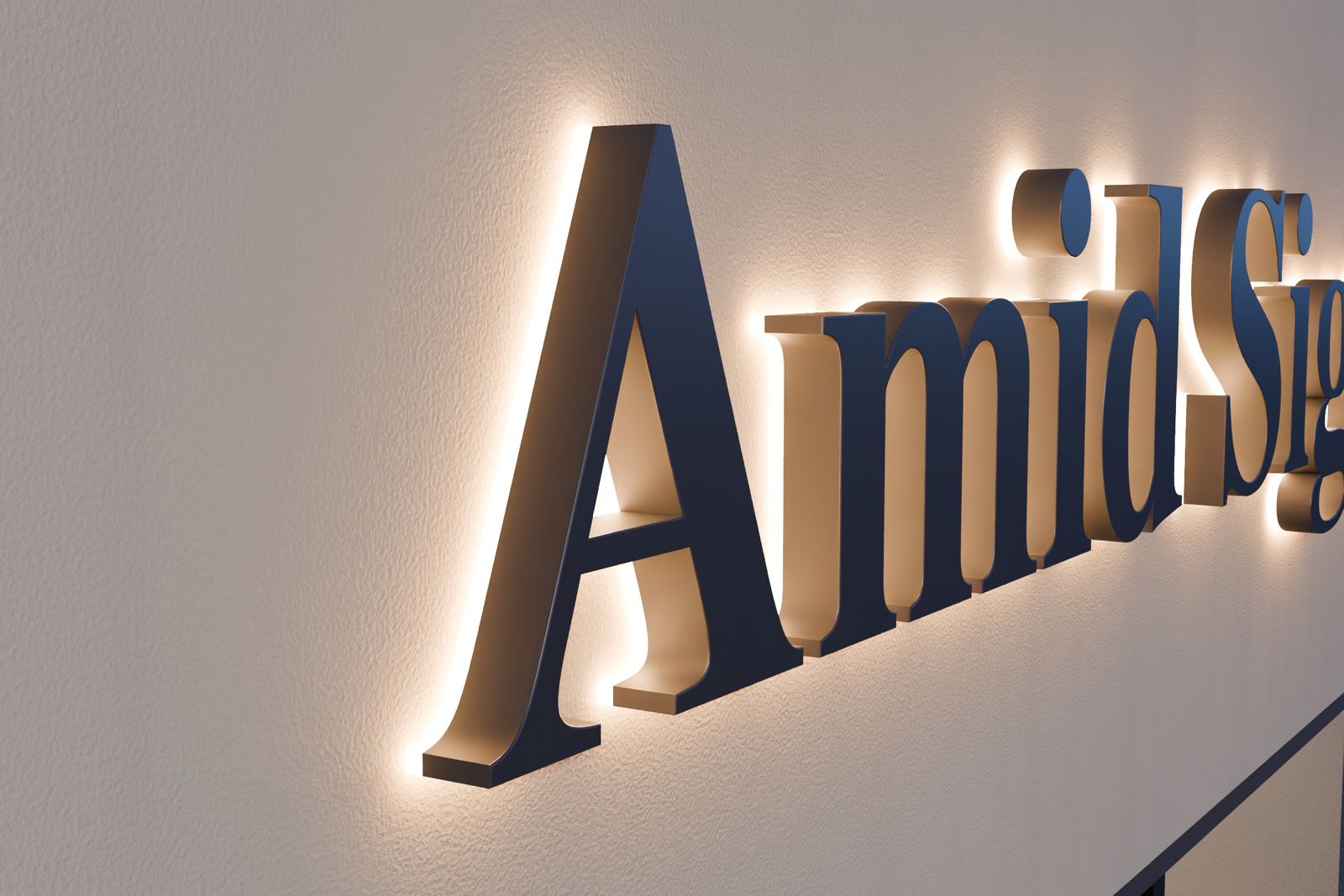
Halo-lit letters explained: how the glow works
How halo-lit channel letters make their glow, why wall color and texture matter, how ours glow while mounted flush, and which face finishes you can pick.

Individual letters vs backer panel vs raceway
Flush letters, letters on a raceway, or letters on a backer panel: how each looks, how many wall holes it needs, and which walls and leases it suits.
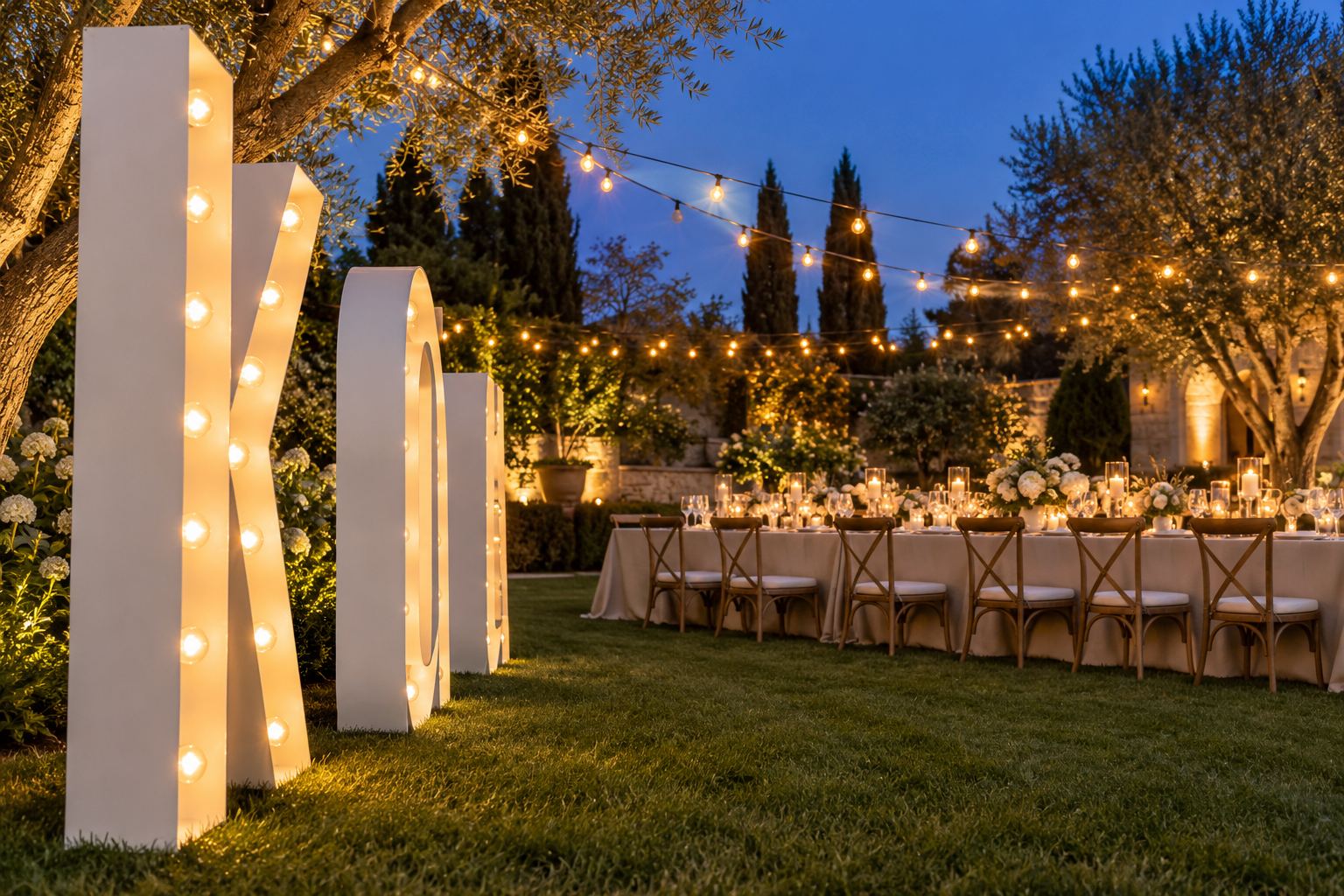
Marquee letters guide: sizes, bulbs, indoor or outdoor
Marquee bulb letters for events and permanent signs: common sizes, LED bulb choices, indoor vs outdoor builds, power, and how to plan your word.
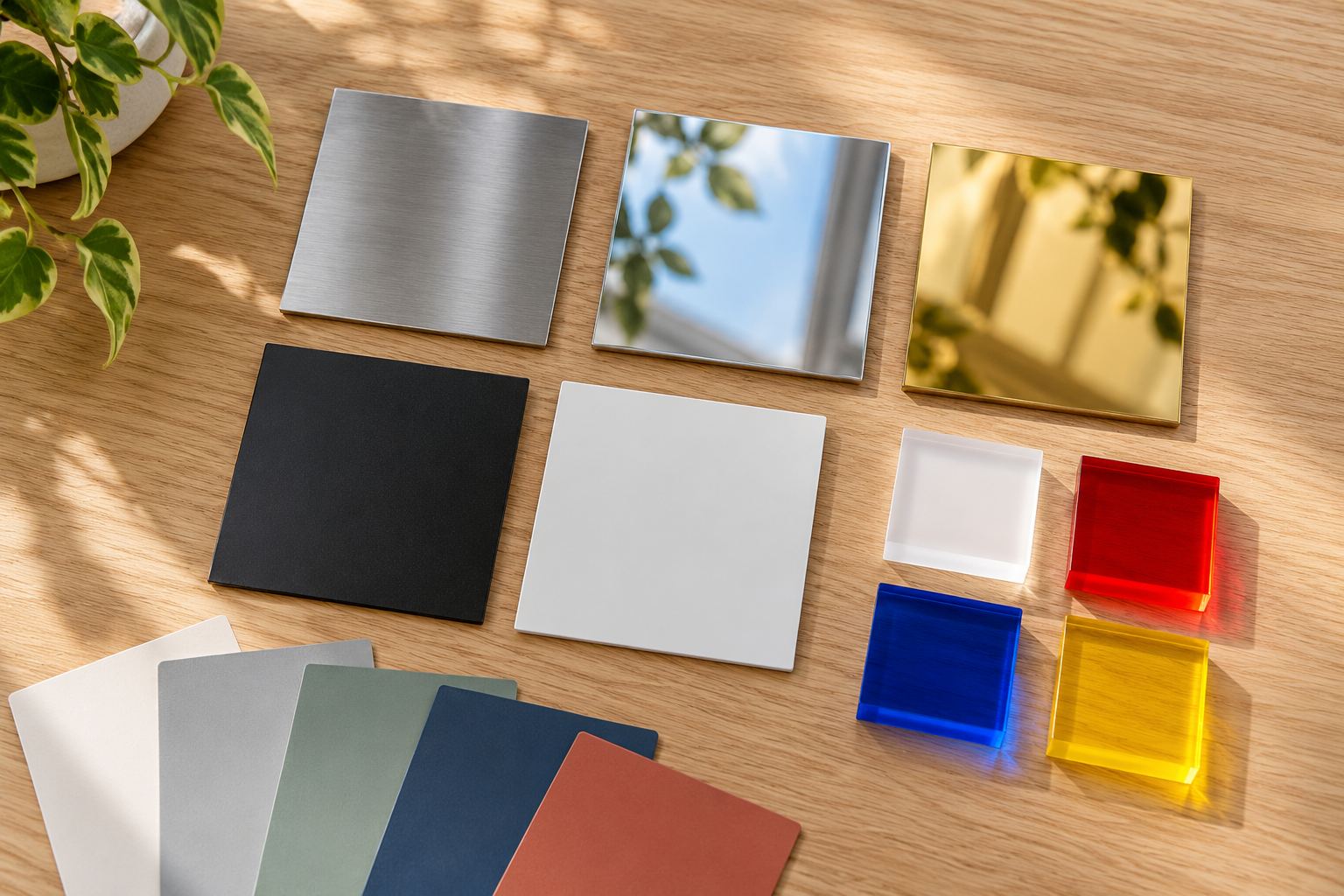
Matching sign colors to your brand, lit and unlit
How brand colors carry onto channel letters: acrylic faces, vinyl overlays, painted returns, printed faces, and why a color looks different once it is lit.
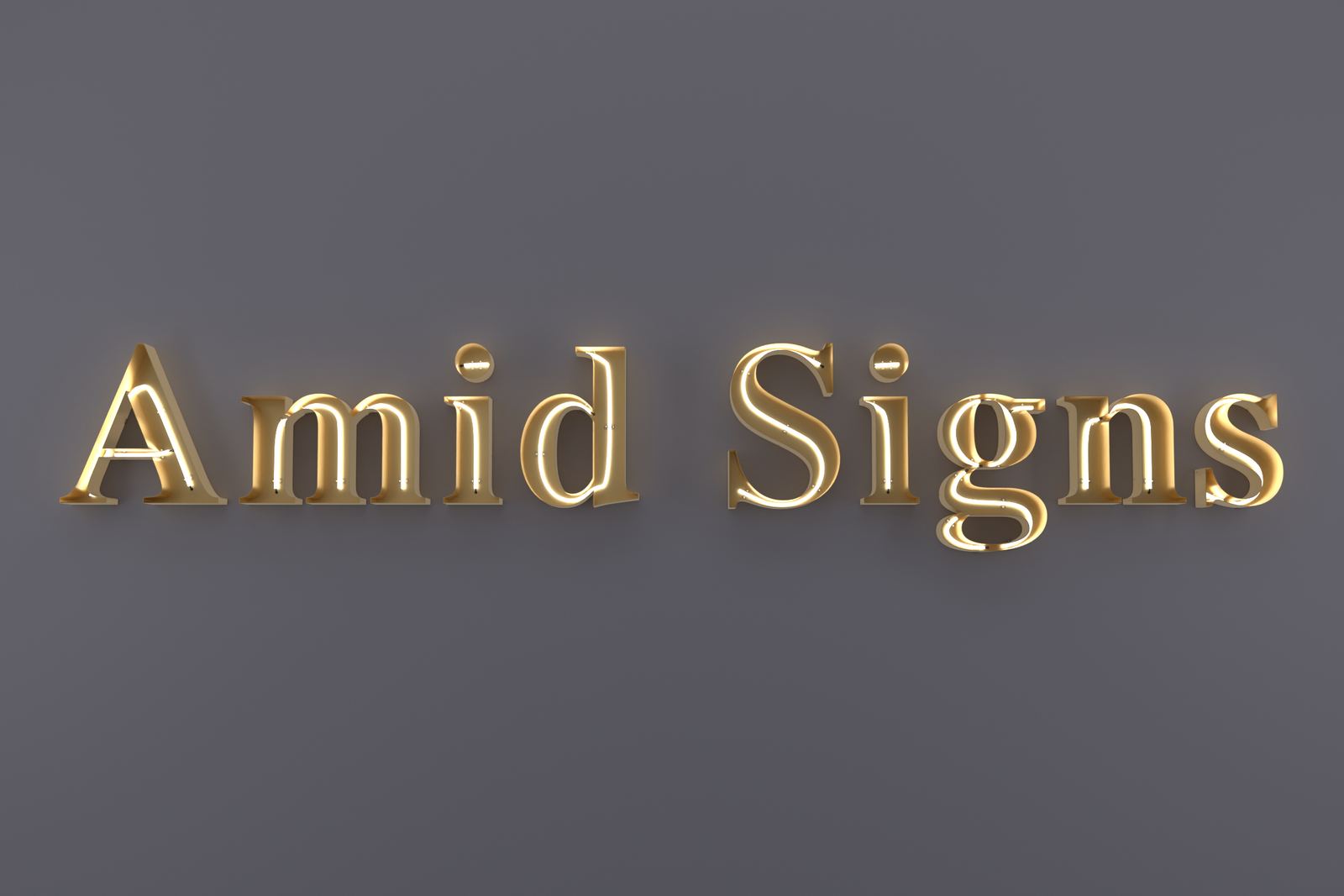
Open-face neon channel letters: look, build and care
Open-face channel letters with LED neon: how they are built, how LED neon compares with glass, which fonts work, indoor and outdoor builds, and care.

Stainless steel letter finishes: brushed to printed
Brushed, mirror, gold, painted and printed stainless steel letters compared: the look of each, where fingerprints and scratches show, how to clean.
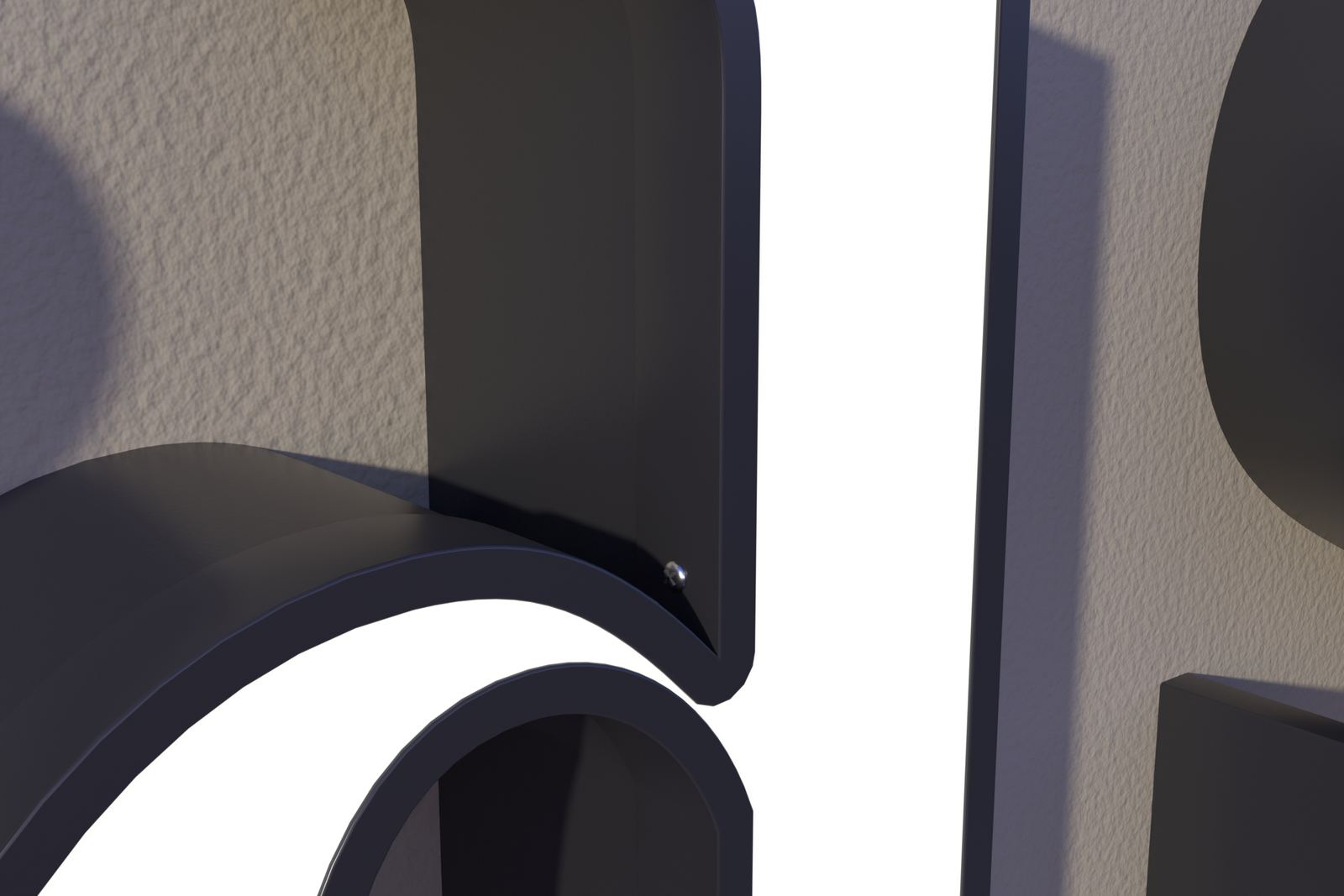
Trim cap vs trimless channel letters: which to pick
Trim cap letters frame the lit face with a plastic edge; trimless letters show only the face. Compare the look, thin strokes, durability and cost drivers.
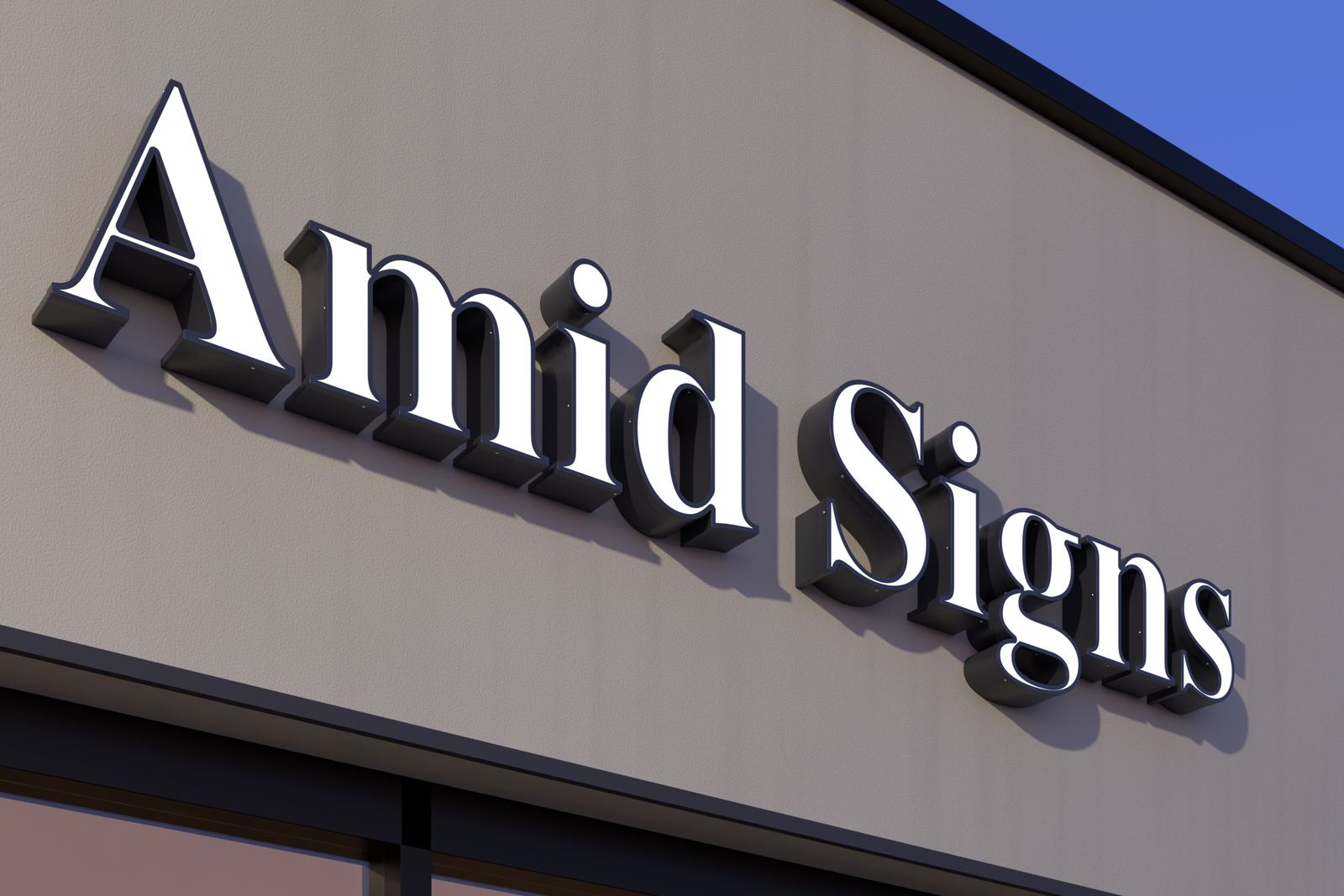
Types of channel letters: every style explained
Every type of channel letter in one place: front-lit, halo-lit, dual-lit, open-face, RGB, non-lit and marquee, plus how they mount and how to choose.
Planning

Blade signs and projecting signs: clearance and size
Plan a blade sign: typical sidewalk clearance and projection limits, face size, double-sided faces, brackets, power and the extra permits cities ask for.
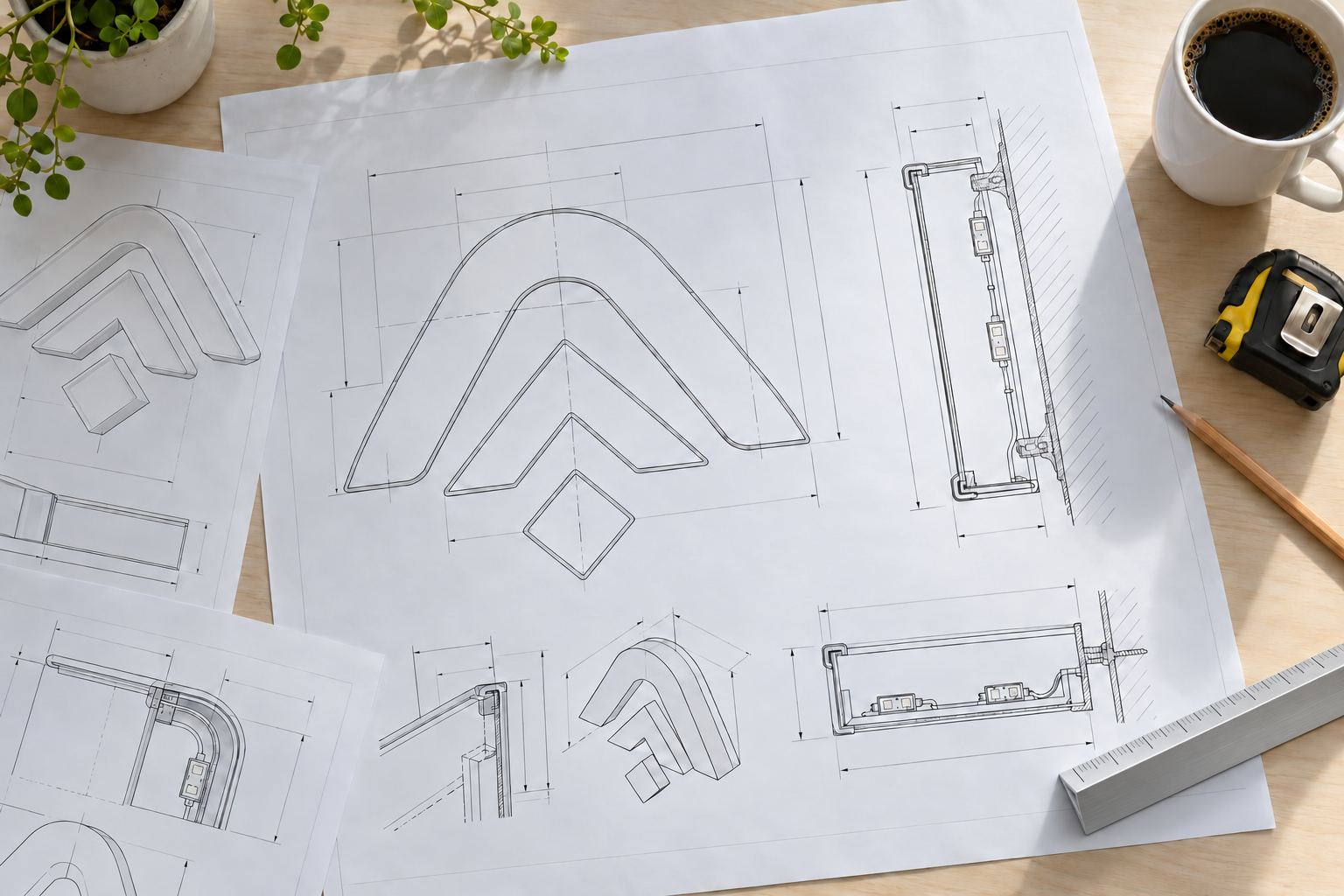
Channel letter sign design tips that work day and night
Design tips for channel letter signs: short copy, size for the distance, contrast by day and night, spacing for lit letters, and colors that light well.
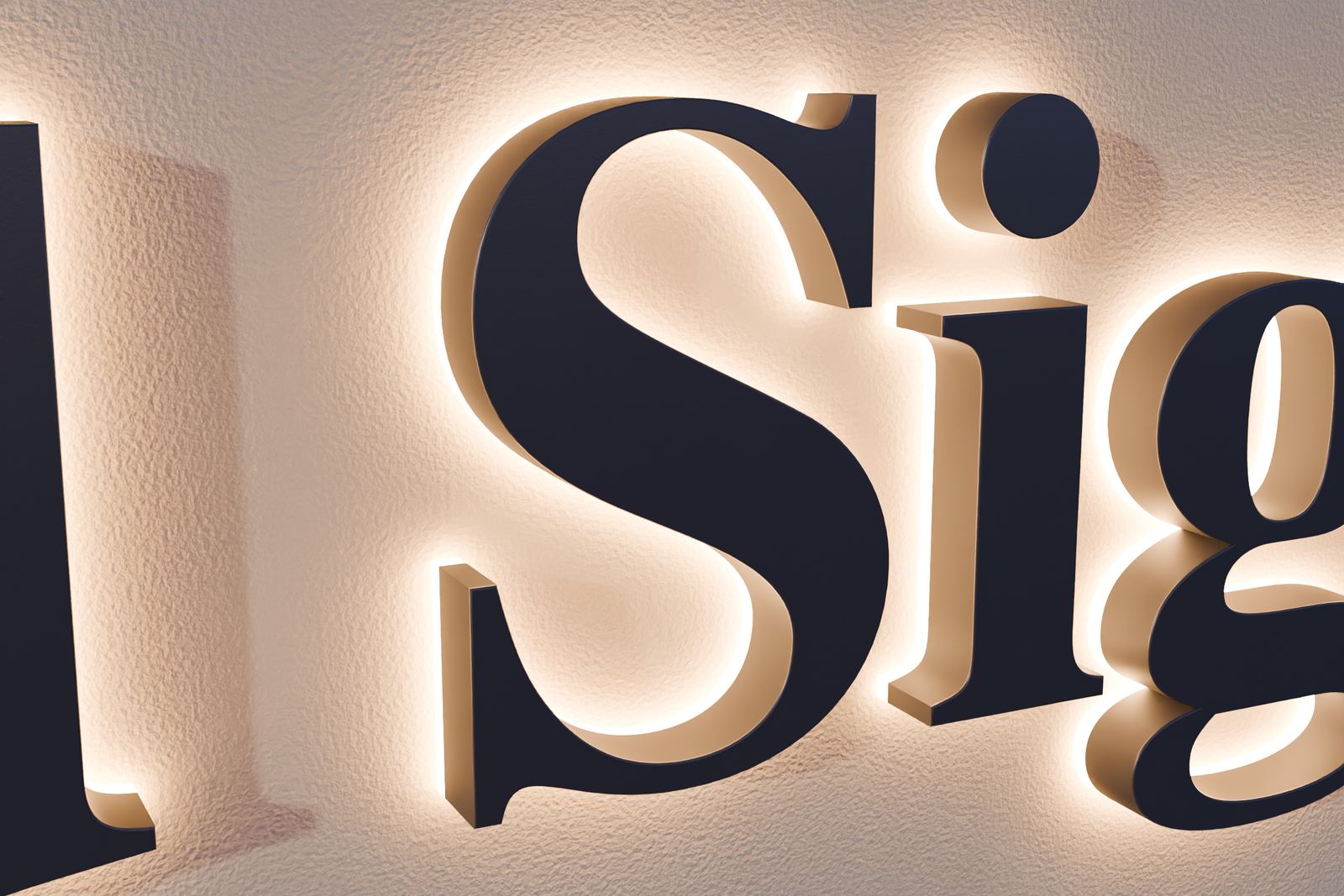
Choosing a font for channel letters: strokes and scripts
How the font changes a lit sign: stroke width, thin scripts, small serifs, letter spacing and lowercase, and what we point out on your free drawing.
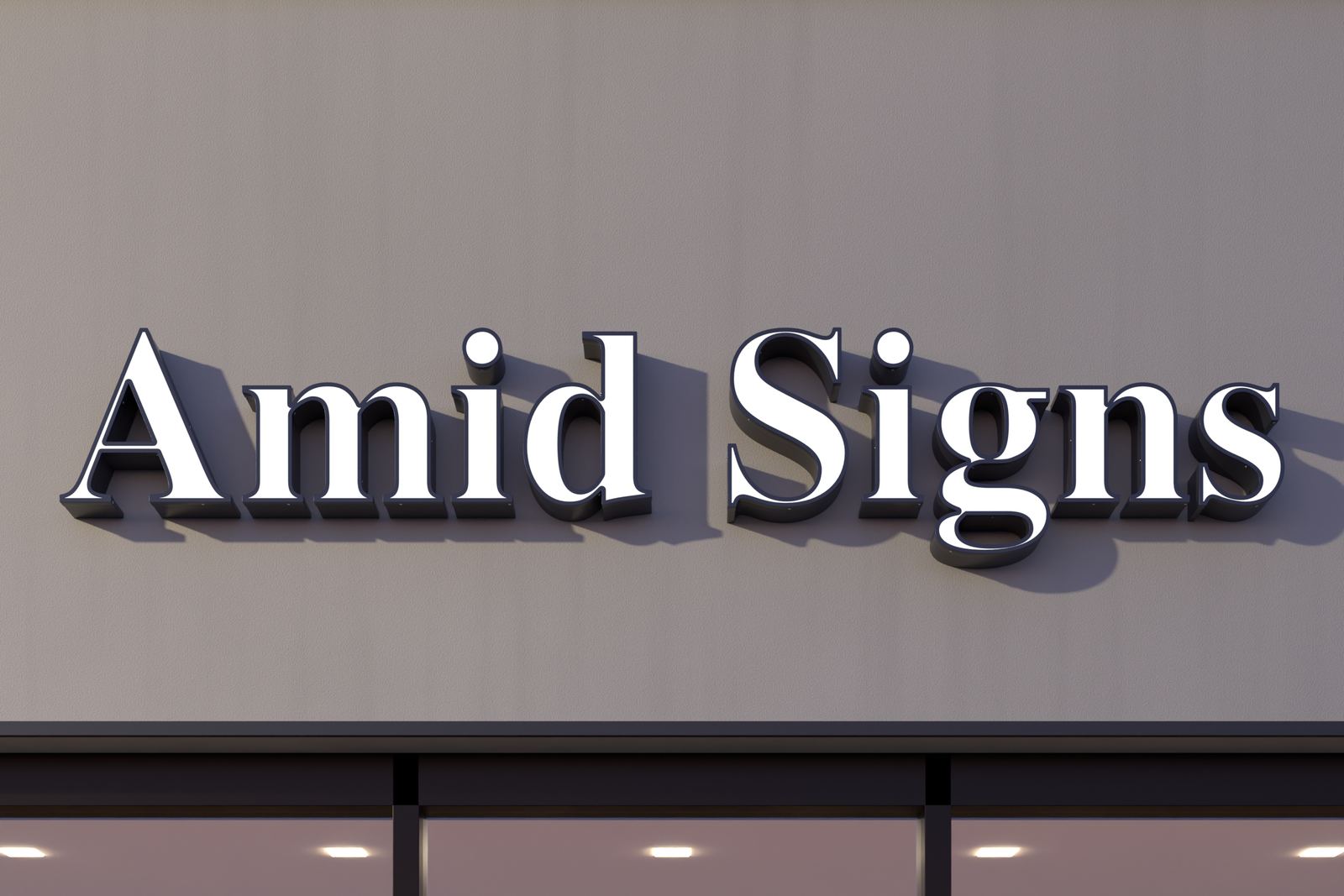
How cities measure sign area: box, per word and per face
How sign codes measure area: one box around the sign, boxes around each word, cabinets and panels, double-faced signs, and allowances per foot of frontage.
How much do channel letters cost? What sets the price
What sets the price of channel letters: letter count, height, lighting style, finish, logo detail, outdoor build and options, and how to use our estimator.
How tall should sign letters be? Viewing distance chart
Sign letter height by viewing distance and traffic speed: about 1 in per 10 ft for a wall sign, with charts for streets, lanes and parking lots.

How to measure your wall for a sign: sign band and photos
Measure the sign band, mark what is in the way, note the wall surface and the power, and take the photos we need for an accurate free sign drawing.
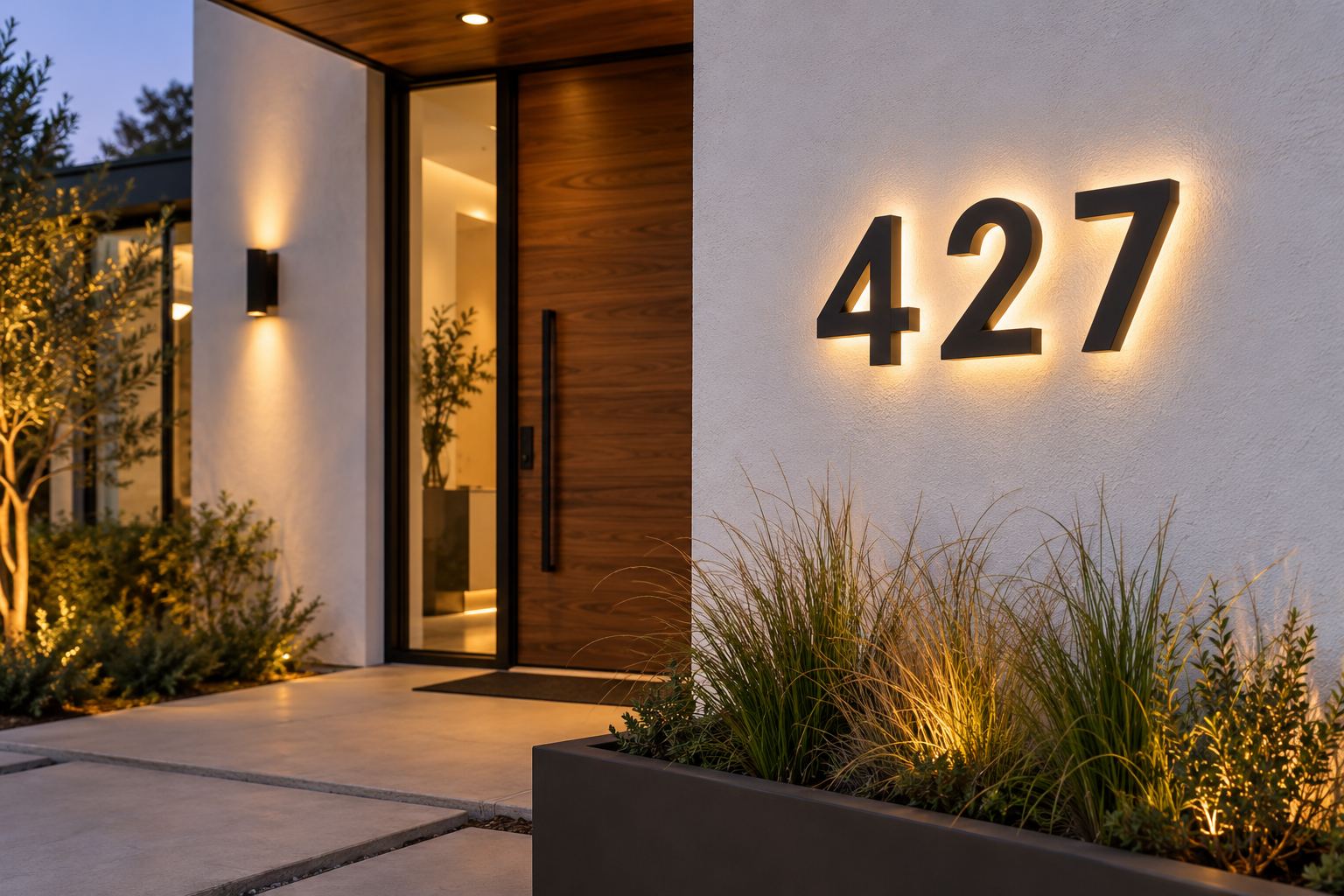
Lit house numbers: size, contrast and address rules
How to choose lit house numbers that visitors and fire crews can read at night: size and stroke, contrast, halo glow, placement and local address codes.
Questions to ask before you order a custom sign
What to ask before ordering a custom sign: materials, lighting and listed parts, what the price includes, your site rules, the installer and later service.
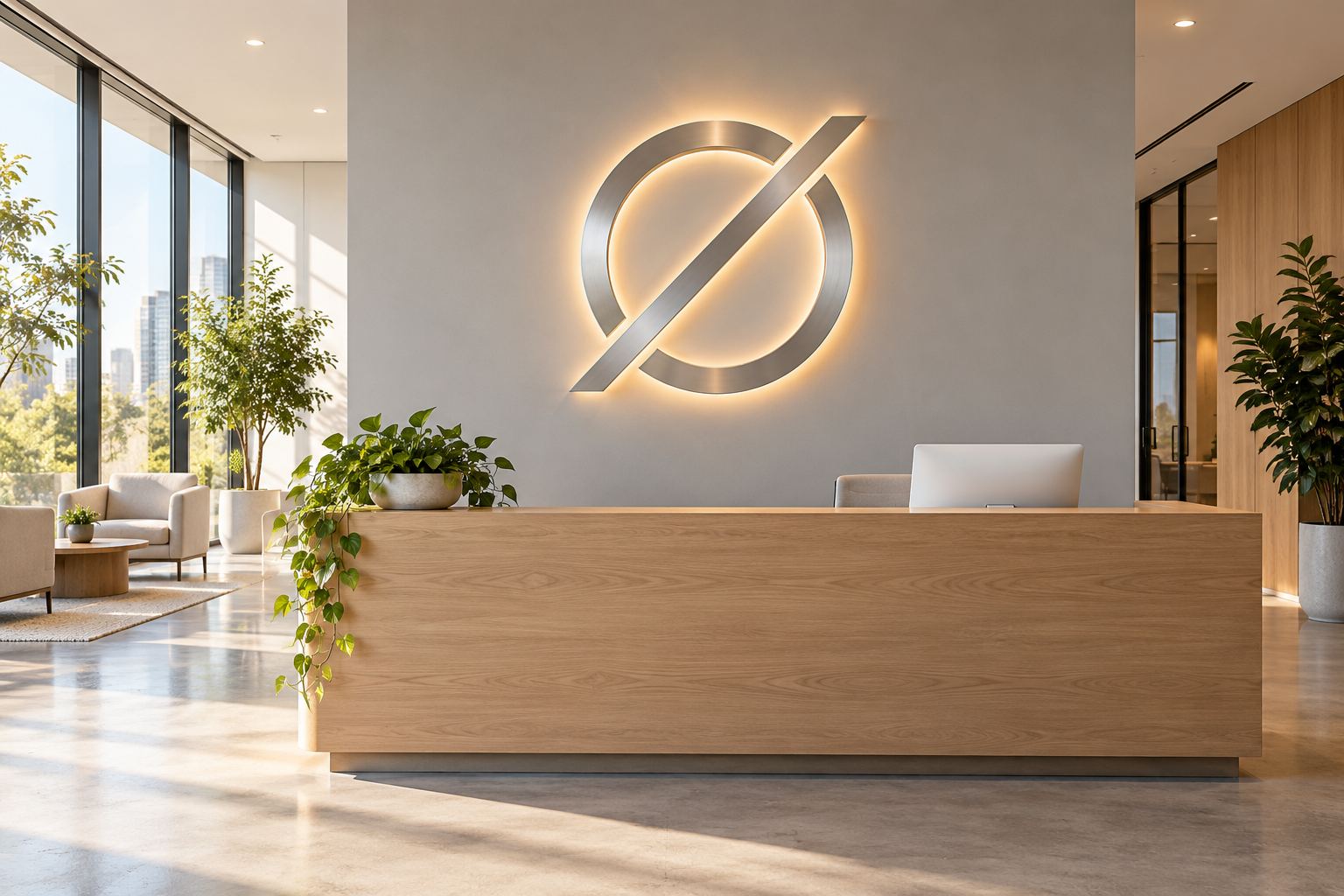
Reception logo wall signs: size, light, wall and mounting
Plan a lobby logo wall: size it to the room, pick halo-lit, front-lit or non-lit letters, check the wall finish and power, and mount it flush on the wall.

Sign permits: what cities ask for and how to prepare
What a typical sign permit packet includes: application, landlord approval, sign and elevation drawings, electrical permit, licensed contractor and timing.
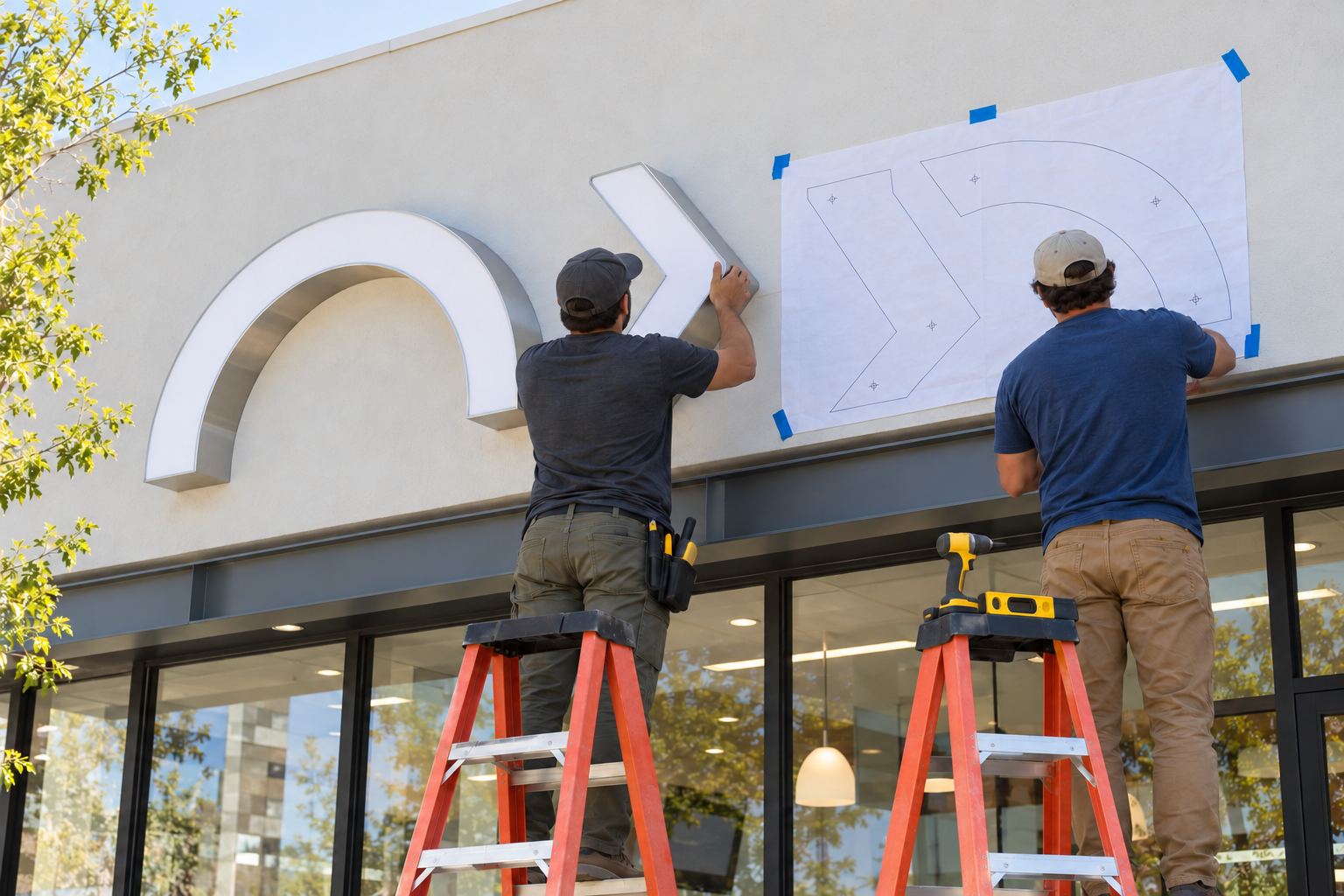
Storefront sign checklist: from lease to switch-on
A step-by-step storefront sign checklist: lease and landlord rules, city code, measuring, drawing approval, permits, installer, electrician and switch-on.
What file to send for a custom sign: vectors, PDFs, fonts
Which logo files give the most accurate sign: vector AI, EPS, SVG or PDF with outlined fonts, and what to send when all you have is a photo or screenshot.
Install and care
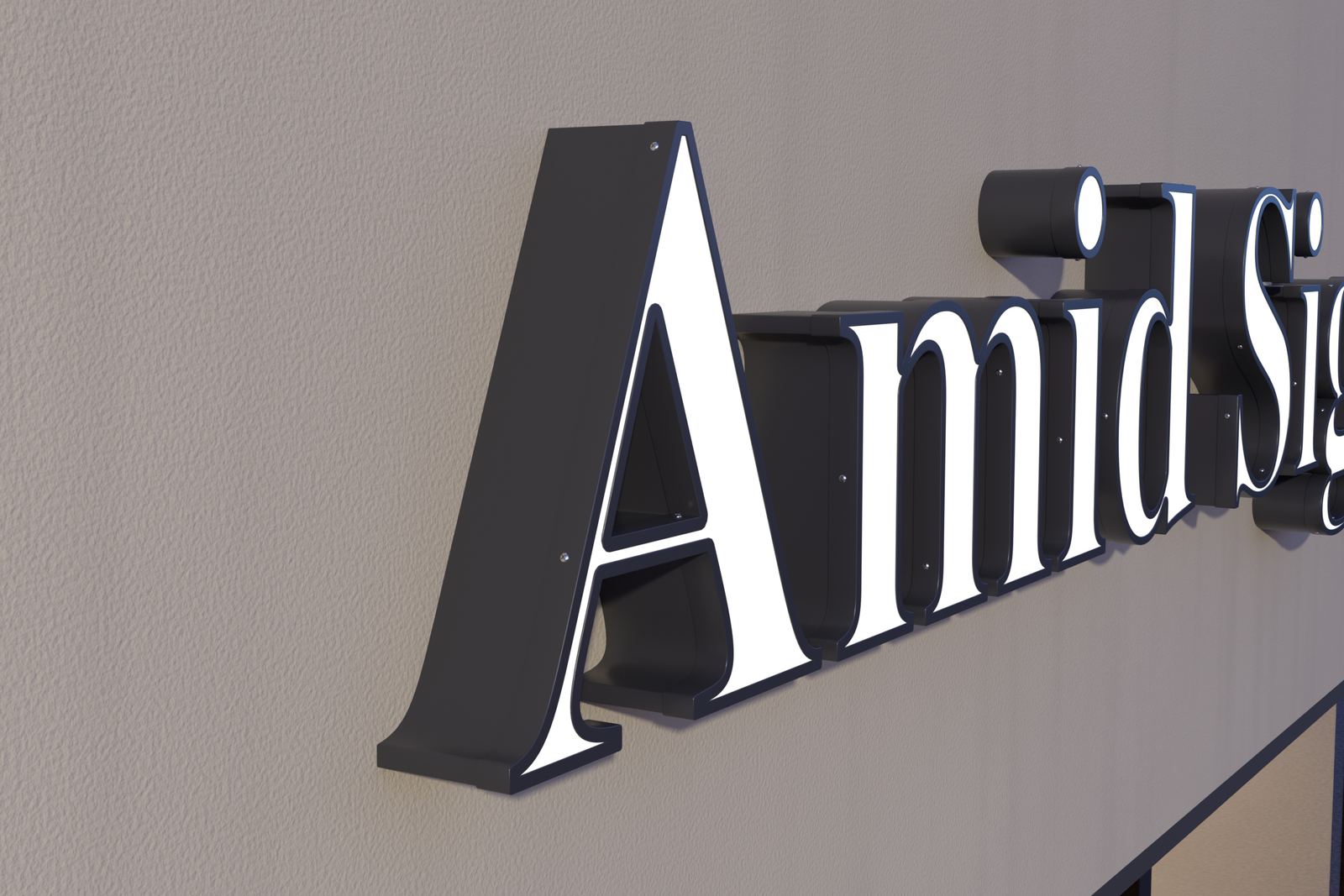
Channel letter maintenance and cleaning
How to clean stainless steel letters and acrylic faces without scratching them, what never to use, and a twice-a-year check that catches problems early.
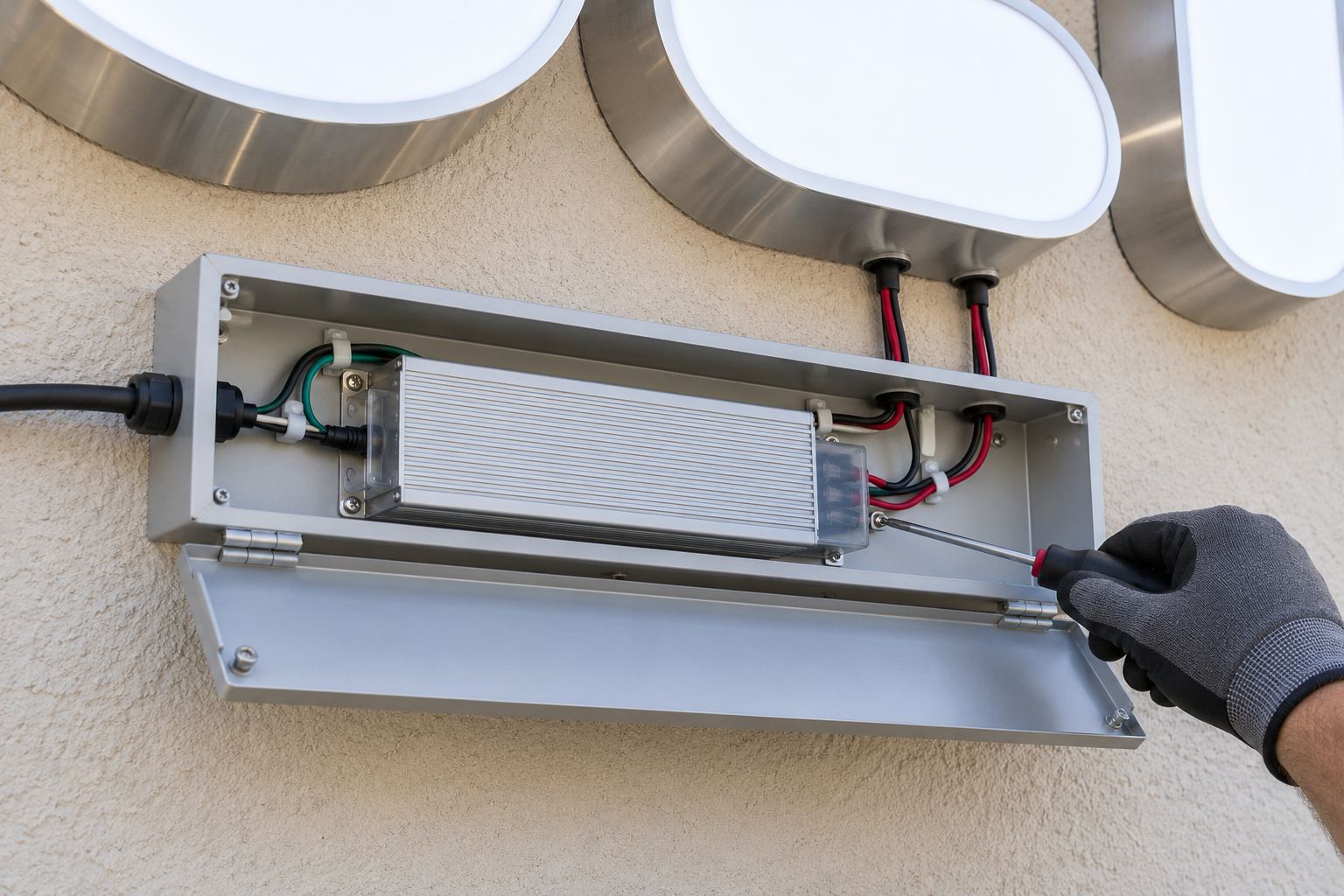
Channel letters not lighting? A troubleshooting guide
Whole sign dark, one letter out, part of a letter dark, flicker or dim spots: what each symptom usually means and what to check first, breaker to LEDs.
How channel letters are made, from drawing to light
How a channel letter is built: parts cut from your approved drawing, 304 stainless returns bent and welded, LEDs laid out, faces fitted, then tested.
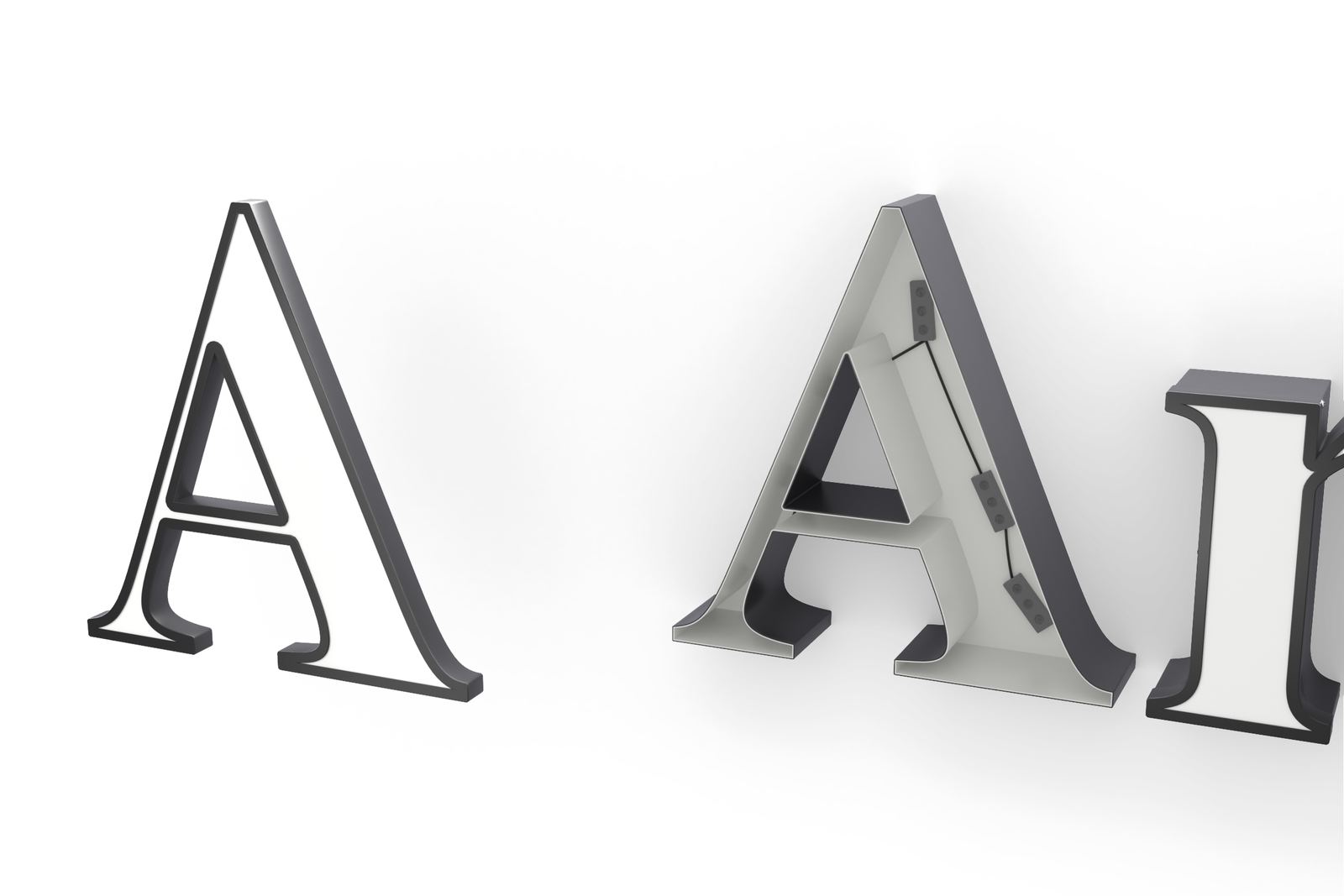
How long do LED channel letters last?
LED sign modules are usually rated about 50,000 hours to 70% brightness. What that means in years, what wears out first, and how to make a sign last.
How to install channel letters with a paper template
Flush-mount channel letters step by step: tape up the 1:1 template, drill stud and wire holes, set the studs, and have an electrician do the power hookup.
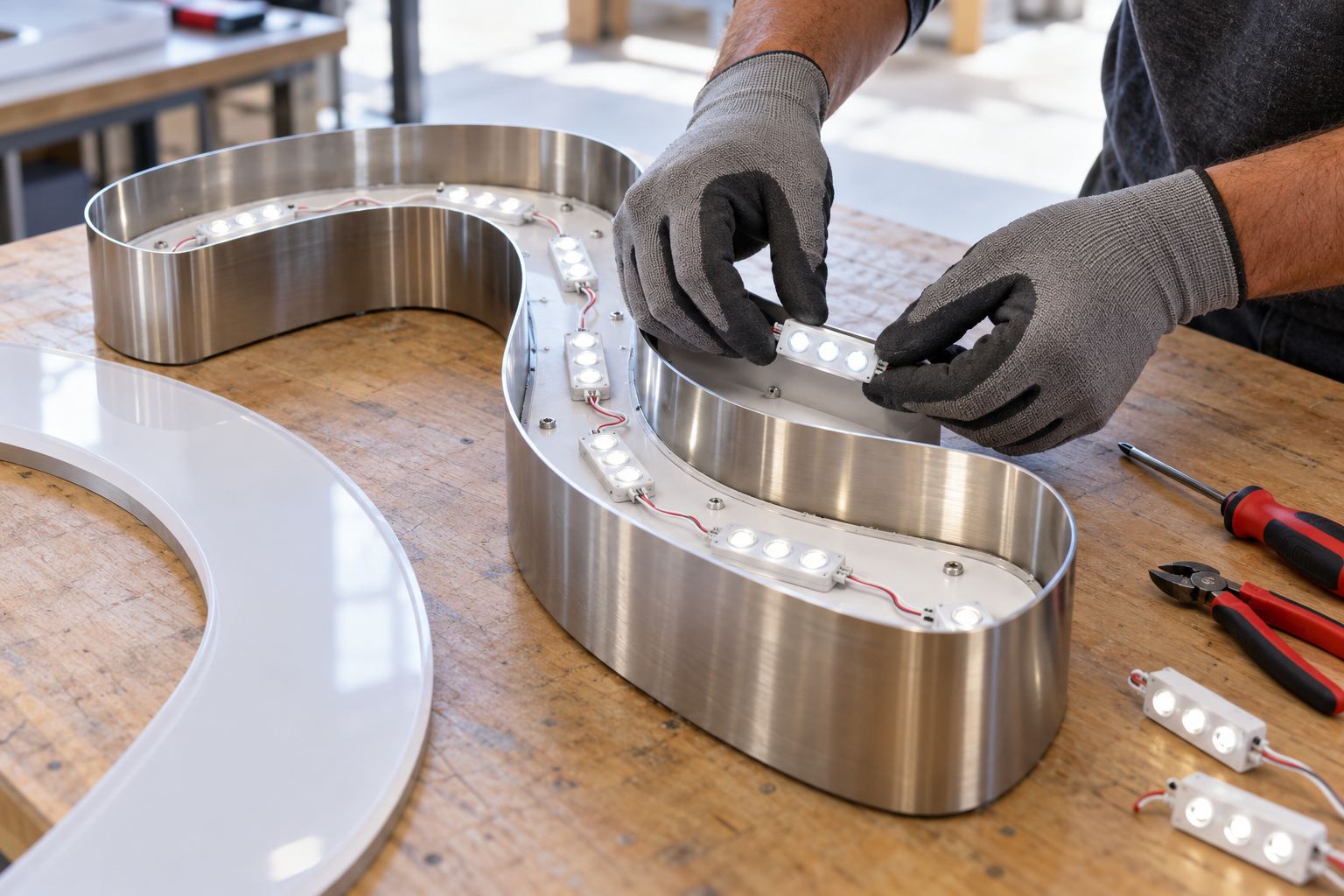
How to replace LED modules in channel letters
Find the dead LED module, open the letter, splice in a matching 12 V module red to red and black to black, seal the joints and test before closing.
Indoor vs outdoor channel letters: what changes
Outdoor channel letters get IP65 LEDs, drain holes, sealed wire entries and a hard-wired power supply, while indoor letters usually plug in. What differs.
Mounting sign letters on brick, stucco and drywall
Which drill bit, anchor and sealant to use when mounting channel letters on brick, block, stucco, EIFS foam or drywall, and what to avoid on each wall.
Raceway vs direct mount channel letters
Raceway or flush mount for channel letters? Compare the look, holes in the wall, wiring, service access and landlord rules, and see when each makes sense.
Power and light
Battery-powered light-up letters: halo letters with remote
How battery halo letters work, what changes their run time, how to recharge the pack, and where a cordless lit sign makes more sense than a plug-in one.
Channel letter power supplies: 12 V sizing and placement
How sign power supplies work: 12 V DC, sizing watts with 20% headroom, Class 2 limits, plug-in or hard-wired, and where to put the power supply.
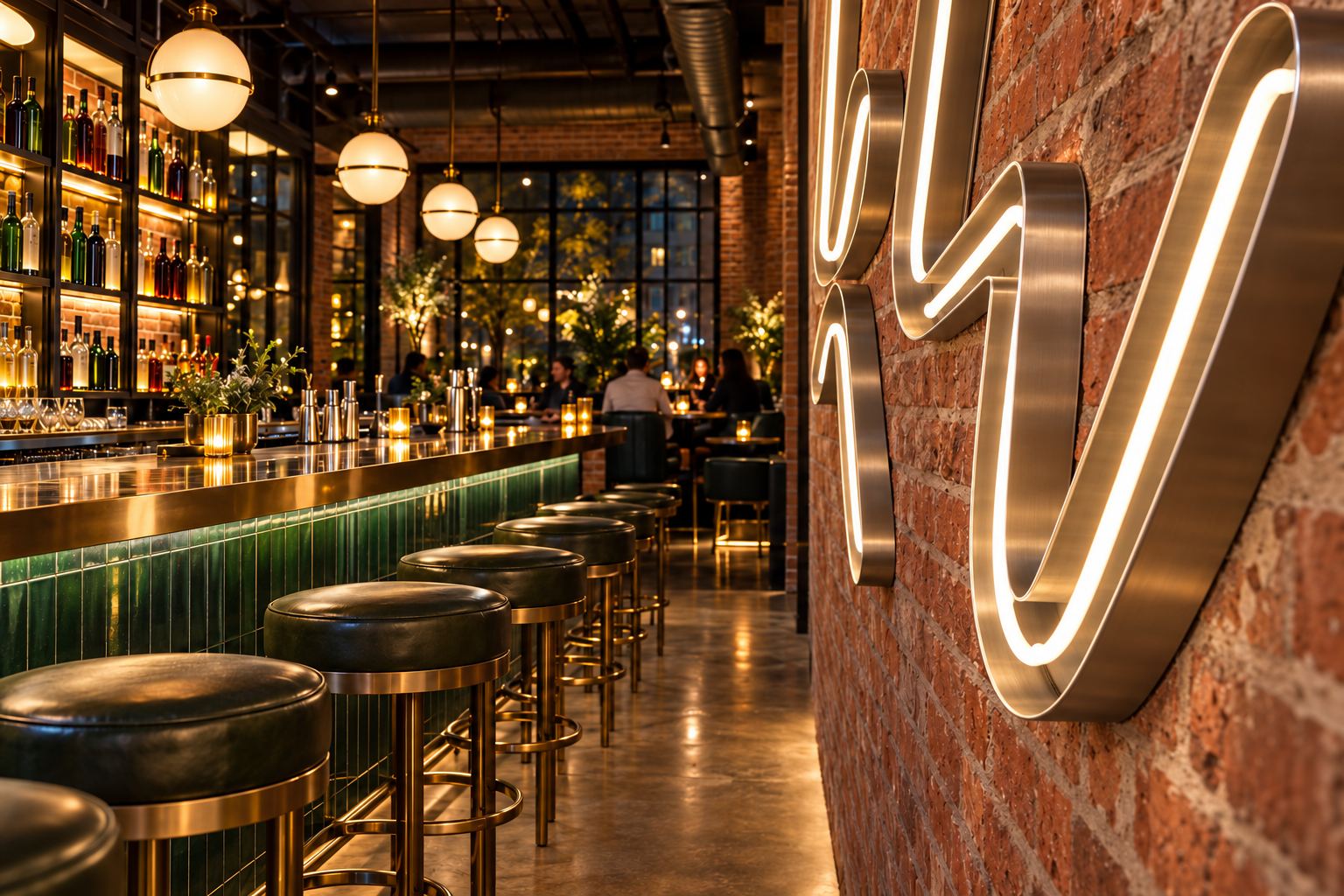
Dimming LED signs: dimmers, remotes and apps
How to dim 12 V LED sign letters: low-voltage PWM dimmers, dimmable power supplies, remotes and apps, flicker, and why a wall dimmer is the wrong tool.

Dusk-to-dawn photocells vs sign timers: which to use
A photocell turns your sign on at dusk, a timer turns it off on schedule, and many signs use both. How each works, where it goes and what codes ask.
How bright should a lit sign be? Nits, codes and dimming
Bright enough to read, never glaring: how sign brightness is measured in nits, what city limits look like, and how to dim a lit sign at night.
LED color temperature for signs: 3000 K, 4000 K or 6500 K
Warm, neutral or cool white? How 3000 K, 4000 K and 6500 K LEDs look in channel letters, and how to match the light to your brand and wall.
LED vs neon signs: glass neon, LED neon and modules
Glass neon, LED neon and LED modules compared for signs: how each makes light, power use, heat, breakage, repairs, and converting old neon letters.
RGB color-changing signs: how they work, when they fit
How RGB channel letters mix red, green and blue LEDs, what the controller does, how to size power, city rules on color change, and when white is better.
Sign electrical requirements: circuit, disconnect, wiring
What a hard-wired lit sign needs before install day: a sign circuit, a disconnect within sight, a licensed electrician, permits and the right questions.