Power and light
LED color temperature for signs: 3000 K, 4000 K or 6500 K
Warm, neutral or cool white? How 3000 K, 4000 K and 6500 K LEDs look in channel letters, and how to match the light to your brand and wall.
Updated
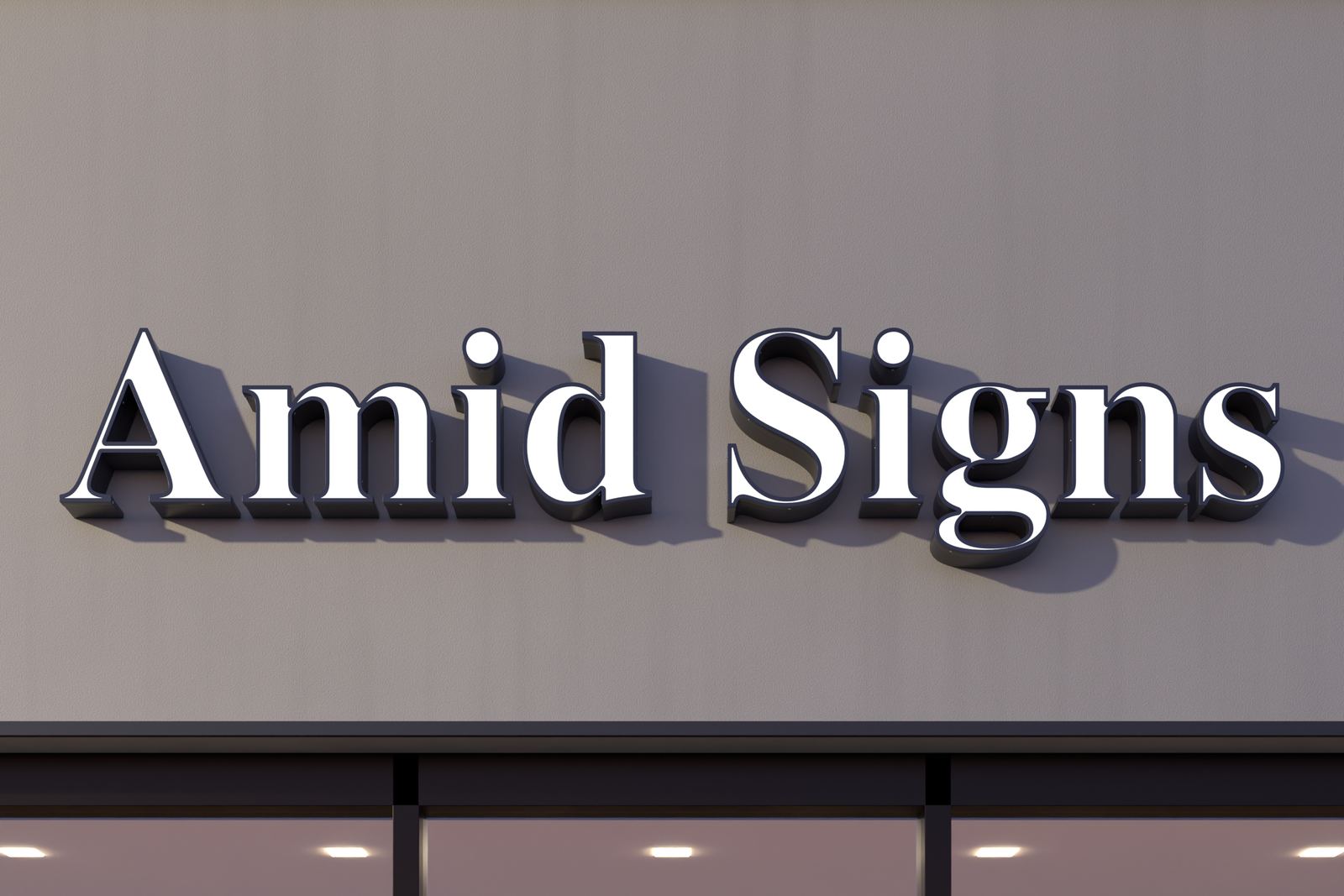
For most front-lit letters, cool white (6500 K) is the safe choice: white faces look truly white and colored faces keep their color. Warm white (2700–3000 K) suits halo-lit letters with gold or bronze faces, and brands such as restaurants, salons and homes. Neutral white (4000–5000 K) sits in between, for when cool white feels too blue and warm white too yellow.
The rest of this guide explains what the numbers mean and how to choose for your sign, your brand and your street.
What the kelvin number means
Color temperature describes the color of white light. It is measured in kelvin (K) and has nothing to do with heat. Lower numbers look warmer and more golden, like an old household bulb. Higher numbers look cooler and slightly blue, like daylight on an overcast day.
| Name | Color temperature | How it looks | Where it usually fits |
|---|---|---|---|
| Warm white | 2700–3000 K | Soft and golden, like a lamp at home | Restaurants, cafes, salons, homes, gold and brass finishes |
| Neutral white | 4000–5000 K | Clean white with no strong tint | Retail, offices, clinics that want white without blue |
| Cool white | 6500 K | Crisp and bright, slightly blue | Most storefront signs, white faces, blue and green faces |
These are the three whites we build with. LED makers do not all use the same names for each range, so go by the number on the drawing, not the label.
Front-lit letters: the face does most of the work
On a front-lit letter, light passes through an acrylic face, and the face color changes what people see.
- White faces. Cool white makes a white face read as pure white. Warm white makes the same face look cream or ivory. That is why 6500 K is the standard choice for white faces. Neutral white works if your brand white is slightly soft.
- Blue, green and purple faces. Use cool white. Warm white light carries less blue, so cool colors look dull or muddy behind it.
- Red, orange and yellow faces. Cool white keeps the color clean. Warm white pushes these colors warmer, which some food and hospitality brands like.
- Dark colors. Deep blue, dark green and burgundy absorb much of the light whatever the color temperature, so they look darker at night than on a color chip.
For face colors, vinyl overlays and how colors change once lit, see matching sign colors to your brand.
Halo-lit letters: the wall is part of the light
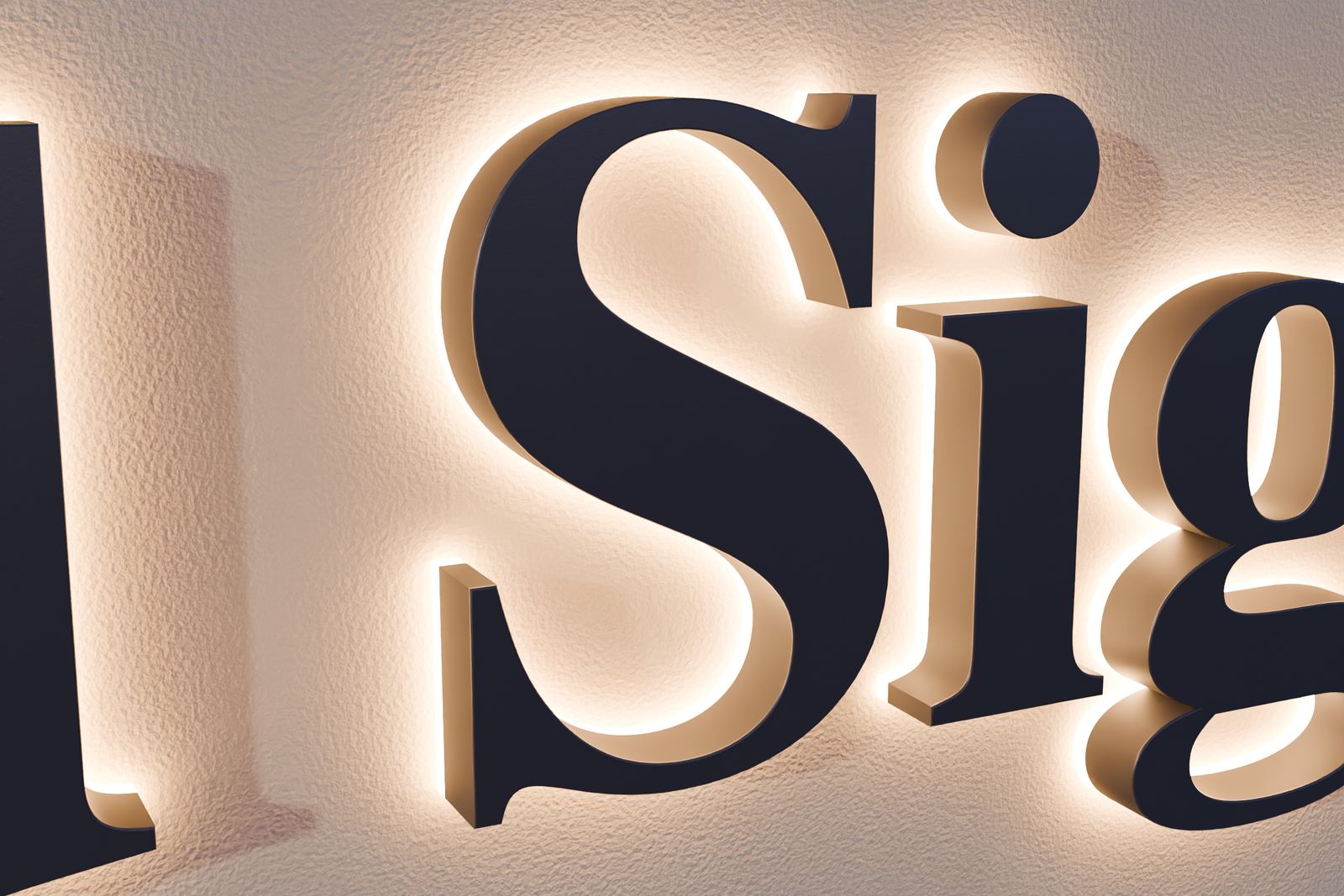
Halo-lit letters shine backward through a translucent acrylic back onto the wall. The glow you see is light bouncing off paint, stucco or stone, so the wall color tints it. A cream or yellow wall makes any white look warmer, and red brick adds red. A light, smooth, matte wall shows the halo most clearly.
Pairings that work:
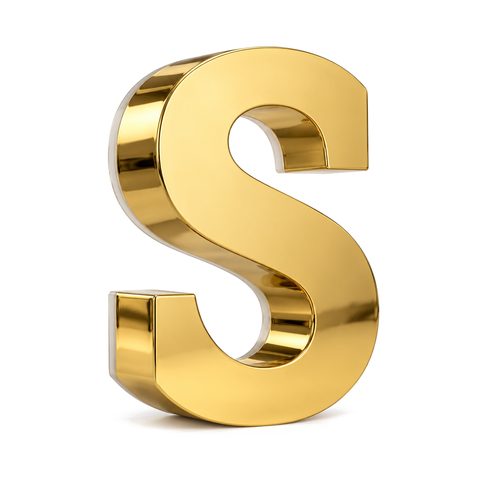
- Gold faces: warm white. The glow matches the metal, which is why warm white is the natural choice for gold halo-lit letters.
- Brushed stainless or white faces on a gray or white wall: neutral or cool white for a clean, modern look.
- Black faces: either. Cool white gives sharp contrast; warm white looks softer and more residential. See black halo-lit letters.
Halo-lit letters explained covers wall color and texture in more detail.
Matching the light to the business
There is no rule that a bakery must be warm and a gym must be cool. The light should match the rest of the brand: the interior lighting, the window displays and the feel of the logo.
| Business | Common choice | Why |
|---|---|---|
| Restaurant, cafe, bakery, bar | Warm white | Matches warm interiors and food lighting |
| Salon, spa, boutique | Warm or neutral white | Soft and flattering, works with gold and rose tones |
| Dental, medical, clinic | Neutral or cool white | Reads clean; neutral avoids a cold look |
| Gym, auto, tech, hardware | Cool white | Crisp and high contrast |
| Office lobby or reception | Neutral white, or match the room | The sign sits next to the ceiling lights |
| House numbers | Warm white | Matches porch lights and suits dark-sky rules |
If the sign hangs in a row of lit signs, as in a shopping center, look at what the neighbors use. One warm sign among cool ones stands out, which can be good or can look like a mistake. Check your lease or the center’s sign criteria too, in case it names a light color.
Outdoor lighting rules and night skies
Some towns have outdoor lighting codes meant to protect the night sky. The dark-sky guidance behind many of them asks for warm light, 3000 K or lower, because lower-kelvin light gives off less blue. Whether those rules reach signs depends on the town. Ask your city’s planning office when you apply; sign permits: what cities ask for explains the process. Brightness limits are a separate question, covered in how bright should a lit sign be.
Adjustable white
If you cannot decide, or the sign hangs in a room whose lighting changes, ask for adjustable white on your quote. Adjustable white modules carry both warm and cool white LEDs, and a controller blends the two, so you can set the sign anywhere from warm to cool after it is installed. It adds a controller and some wiring, so it makes most sense on indoor reception walls, showrooms and venues.
Replacing LED modules later
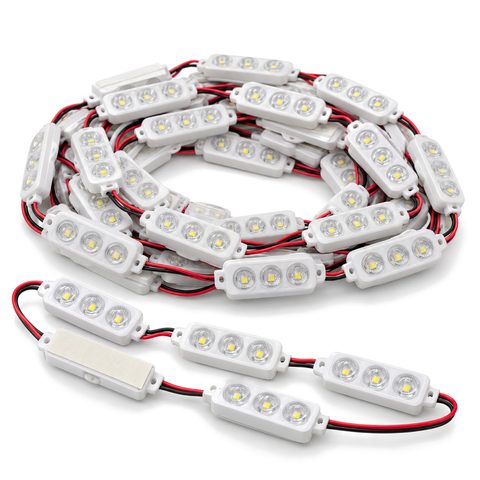
Color temperature matters again if you ever replace modules. A new 6500 K module next to old 3000 K modules shows as a patch of different white. When you order replacement LED modules, match the kelvin of the modules already in the letter; check the module label or your original drawing. How to replace LED modules walks through the swap.
How to choose, step by step
- Start with the face. White or cool-colored faces: cool white. Warm-colored faces: cool or warm, as you prefer.
- For halo-lit letters, look at the wall color and the face finish together.
- Match the light inside and around the business.
- Check your city and your landlord for any rules on light color.
- Look at the lit preview on your drawing before you approve it.
When you request a free drawing, tell us which white you want, or describe your brand and ask what we would suggest. The drawing comes with a lit preview and an exact price, and nothing is built until you approve it.