Install and care
Indoor vs outdoor channel letters: what changes
Outdoor channel letters get IP65 LEDs, drain holes, sealed wire entries and a hard-wired power supply, while indoor letters usually plug in. What differs.
Updated
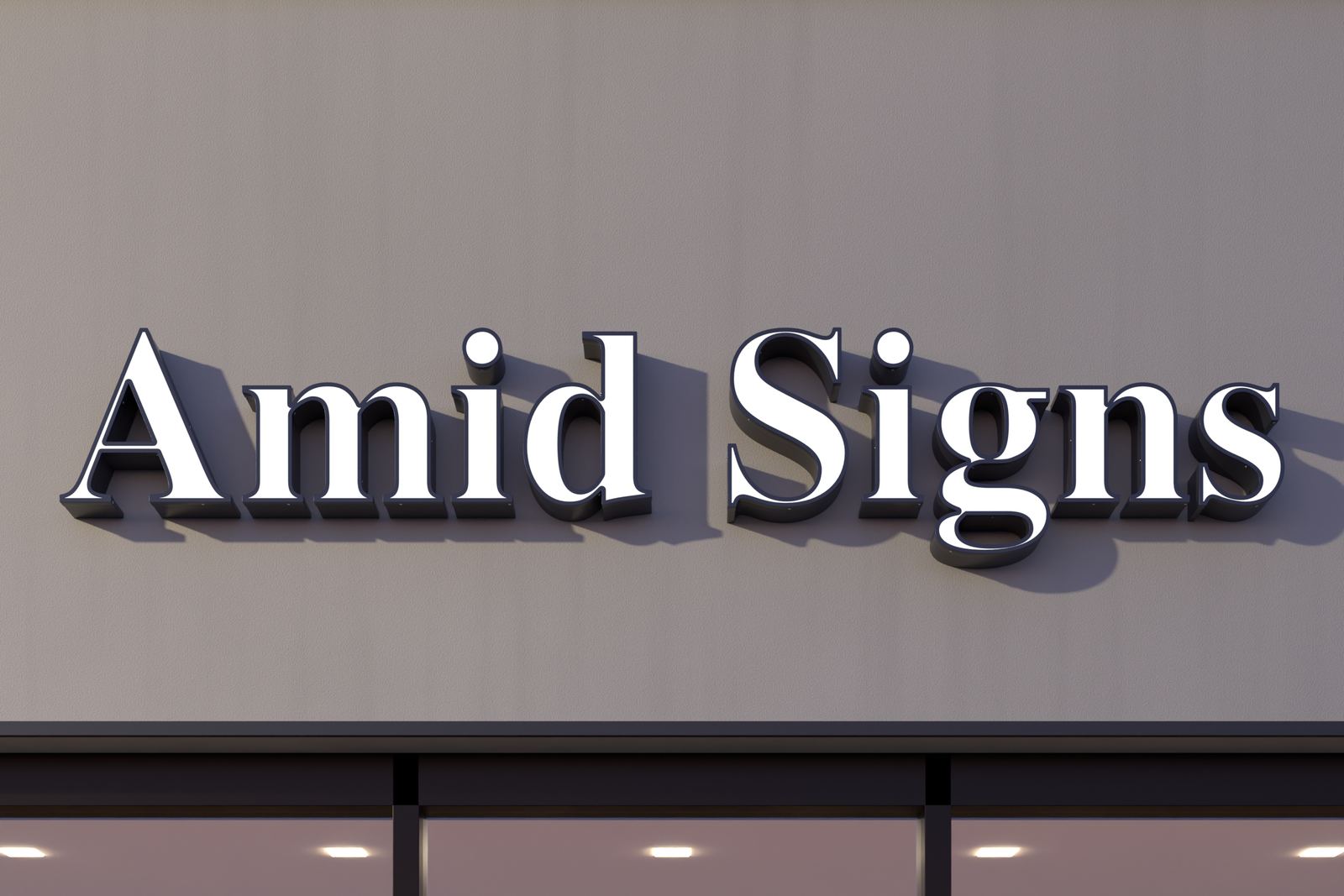
Outdoor channel letters are built for rain, sun and temperature swings: IP65-rated LED modules, drain holes at the low points of each letter, sealed wire entries, and an outdoor power supply that a licensed electrician hard-wires. Indoor letters skip the drain holes and usually plug into an outlet through a 100–240 V AC adapter. The 304 stainless steel body, the faces and the light colors are the same either way.
Tell us where the sign will hang when you request a free drawing, and we build it for that spot.
Side by side
| Indoor | Outdoor | |
|---|---|---|
| Letter body | 304 stainless steel | 304 stainless steel |
| LED modules | 12 V DC | 12 V DC, IP65-rated |
| Drain holes | Not needed | Small holes at the low points of each letter |
| Power | Usually a plug-in 100–240 V AC adapter | Hard-wired outdoor power supply |
| Who connects it | You plug it in | A licensed electrician |
| Wire holes in the wall | No weather sealing needed | Sealed against water |
What IP65 means
An IP rating has two digits. The first is protection against dust and solid objects, the second against water.
| Rating | Dust | Water |
|---|---|---|
| IP65 | Dust-tight | Low-pressure water jets from any direction, such as rain or a garden hose |
| IP67 | Dust-tight | Short immersion in water |
Our outdoor builds use IP65-rated LED modules. A sign letter is not meant to sit underwater, so IP65 is the rating that matters for rain. It does not mean the letter itself is watertight. That is why outdoor letters also have drain holes.
Drain holes
Water gets into outdoor letters. It comes in as wind-driven rain past a seal, or as condensation when warm, humid air inside a letter cools at night. Drain holes let it out. The electrical code asks signs in wet locations to have drain holes at every low point, usually between 1/4 in and 1/2 in across.
Two things to remember after installation:
- Never caulk or paint over the drain holes.
- Check them each spring and fall for dirt, insects or nests.
Indoor letters do not need drain holes.
Wet, damp or dry location
The electrical code sorts locations by how much water they see:
- Wet: exposed to the weather. A storefront fascia, a building wall, a pylon.
- Damp: protected from direct rain but exposed to moisture. Under a canopy, a marquee or a roofed porch.
- Dry: indoors, in a normal heated or air-conditioned room.
A sign under a covered entry still sees humidity, condensation and cold. Build it as an outdoor sign. A sign inside a shop window facing the street is indoors.
Power: plug-in vs hard-wired
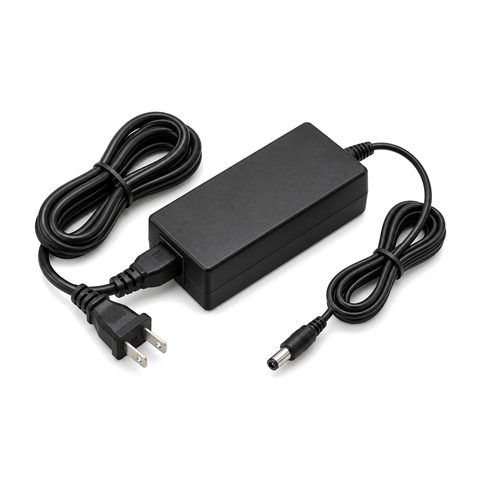
Indoor: most indoor signs plug in. The plug-in sign power adapter takes 100–240 V AC from an outlet and supplies 12 V DC to the letters. You can mount and connect it yourself. Plan where the outlet and the adapter will be before the letters go up, so the low-voltage wire has a short, hidden path to the letters.
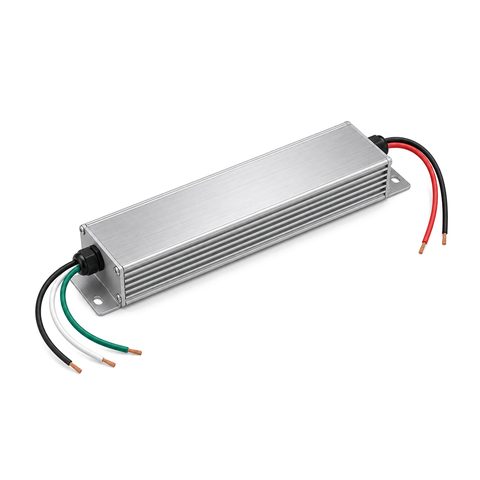
Outdoor: outdoor signs use a hard-wired outdoor LED sign power supply. A licensed electrician connects it to the building circuit, with the power off at the breaker. The code also calls for:
- A disconnect switch within sight of the sign, so anyone working on it can shut it off.
- A power supply that stays reachable for service, not sealed inside a wall.
Indoor or outdoor, the sign uses a UL-listed power supply and LED modules. The 12 V side, meaning the modules and low-voltage wire, is what owners can work on later. More in sign electrical requirements.
Sun, cold and salt
- Stainless steel. 304 stainless does not rust through and needs no paint to protect it. Near the ocean or roads salted in winter, salt can stain the surface; regular washing keeps it bright. See maintenance and cleaning.
- Acrylic faces. Acrylic holds up well in sun. Colored vinyl and printed graphics on faces can fade over the years in strong sun, and a face can be replaced without replacing the letter.
- Heat. Power supplies age faster when hot. Outdoors, keep the supply out of direct sun and in a ventilated spot. See how long LED channel letters last.
Fire codes
Standard acrylic is not flame-retardant. When a fire marshal asks for flame-retardant faces, the acrylic can be swapped for flame-retardant polycarbonate. Ask for it before your drawing is approved.
Indoor spots that are not quite dry
Some indoor walls see more moisture than a normal office: next to a pool, in a spa or steam room area, near a commercial kitchen, or in an unheated entry that gets cold at night. Treat those like a damp location and tell us about them, so we can choose sealed modules and a power supply suited to the spot.
Where there is no outlet at all, such as an event backdrop or a shelf display, battery halo letters run on a rechargeable battery pack with a remote instead of a power supply.
Mounting is the same method
Indoor or outdoor, our letters mount flush to the wall with the full-size paper template and the supplied hardware. Only the anchors change with the wall: drywall indoors, brick, block or stucco outdoors. See how to install channel letters and mounting letters on brick, stucco and drywall. Outdoors, every wire hole is sealed, and the drain holes stay open.
Which to choose
- Storefront, fascia, building wall, covered entry: outdoor.
- Lobby, reception wall, office, shop interior, inside a window: indoor. See reception logo wall signs.
Either way, browse front-lit letters or the price estimator to start.


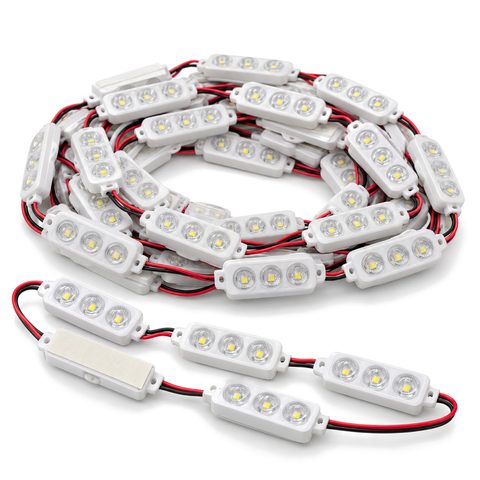 12V LED Modules for Channel Letters
 Brushed Stainless Steel Letters