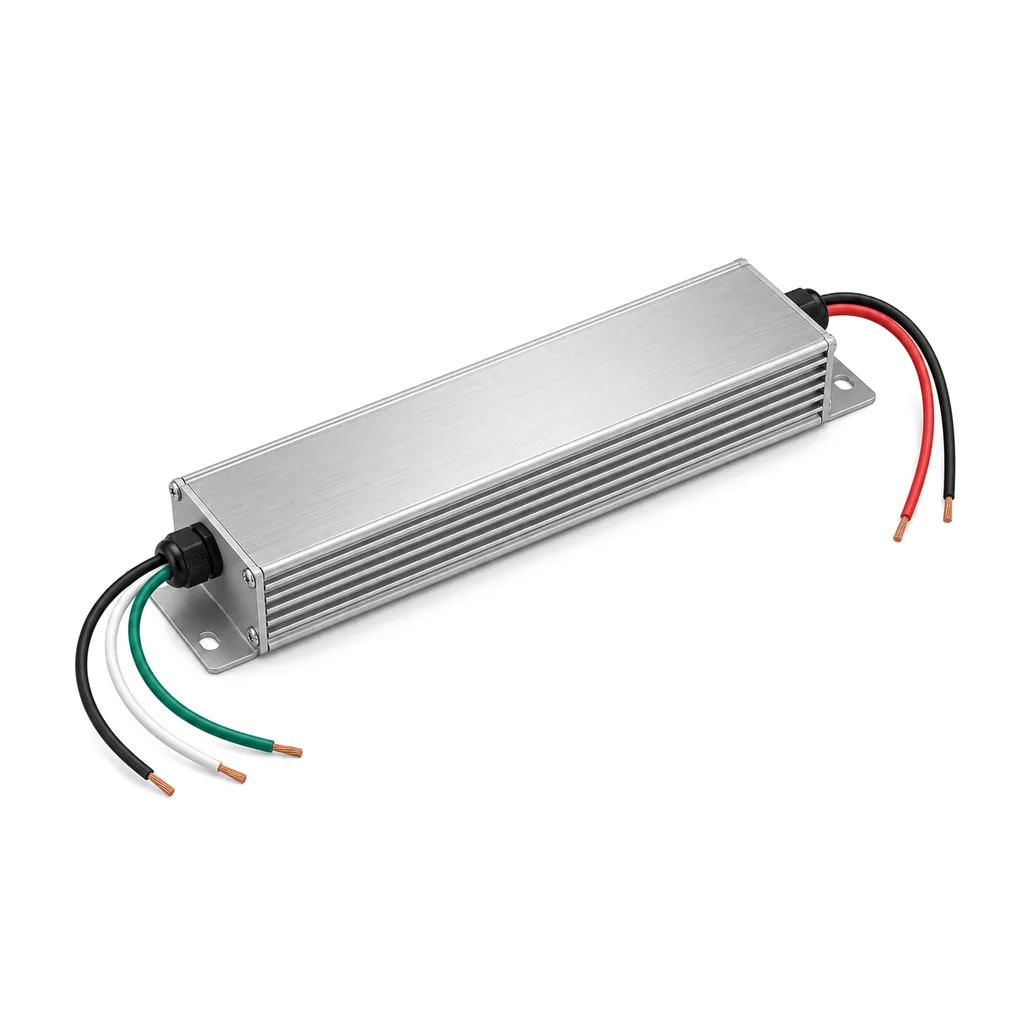
Photos illustrate the product type.
12V LED Sign Power Supply, Outdoor IP67, UL Listed, 60 to 150 W
UL-listed 12 V DC power supply (LED driver) for outdoor channel letters and LED signs: IP67 metal case, 100-130 V AC input, 60, 100 or 150 W.
This is the part that turns the 120 V line power of a building into the 12 V DC that LED channel letters and signs run on. It is a constant-voltage LED driver in a sealed metal case rated IP67: dust-tight, and protected against water even if it is briefly submerged. The supply is UL listed. Sign makers also call it an LED driver, a sign power supply or, loosely, a sign transformer.
Choose 60 W, 100 W or 150 W. At 12 V that is 5 A, about 8.3 A and 12.5 A of output.
Size it so the LEDs use no more than about 80 percent of the rating. A supply that runs below its limit stays cooler and lasts longer. In practice:
- Up to 48 W of LEDs: 60 W supply.
- Up to 80 W of LEDs: 100 W supply.
- Up to 120 W of LEDs: 150 W supply.
- More than that: split the sign across two or more supplies.
To find the LED load, read the label on the old power supply, or count the LED modules and multiply by the watts per module.
The input is 100 to 130 V AC and is hard-wired, so a licensed electrician connects it. It does not run on 277 V circuits. The 12 V output goes to the sign's positive and negative leads; low-voltage wire from the power supply to the letters is sold separately.
Mount the supply where it stays dry and you can reach it later: inside a raceway, behind the wall or in a weatherproof box. Even with an IP67 case, a spot out of standing water makes service easier and keeps connections dry.
Connect the letters in parallel: each letter's positive lead to the positive output and each negative lead to the negative. Keep the 12 V runs as short as you can. On long runs the far letters can look dimmer, so use heavier wire or a second supply closer to them.
It replaces most 12 V channel letter power supplies. Before you order, check the label on your old unit: it should say 12 V DC output. If it says 24 V, or if your sign is glass neon with a high-voltage neon transformer, this supply is not the right replacement. Send us a photo of the label if you are not sure.
How to choose
Start with the label on the supply you are replacing. Note the output volts and the watts (or amps; amps times 12 gives watts at 12 V). The output must say 12 V DC.
If you are powering new LEDs, add up their watts: modules times watts per module. Divide by 0.8 and pick the next size up. Example: 70 W of LEDs divided by 0.8 is about 88 W, so choose the 100 W supply. Anything over 120 W of LEDs goes on two supplies.
Then decide where it will live: inside the raceway, behind the wall or in a weatherproof box near the sign, with room for the electrician to work. Add enough 18 AWG low-voltage wire to reach the letters if the old wire will not be reused.
Questions
How many watts do I need?
Add up the watts of the LEDs and keep that at or below about 80 percent of the supply rating. For example, up to 48 W of LEDs fits a 60 W supply and up to 80 W fits a 100 W supply.
Will it replace the power supply in my existing sign?
Yes, if your old supply has a 12 V DC output and your load fits the wattage. If the label says 24 V, or the sign is glass neon with a neon transformer, it is not a match.
Can I install it myself?
The 120 V input is hard-wired, so a licensed electrician should connect it. The 12 V output connects to the sign's positive and negative leads.
Does it work on a 277 V circuit?
No. The input is 100 to 130 V AC. Many commercial buildings have 277 V lighting circuits, so ask your electrician which voltage will feed the sign.
Can it go outdoors?
Yes. The case is IP67, which means dust-tight and protected against brief immersion. Still mount it in a dry, reachable spot such as a raceway or a weatherproof box so the connections stay dry and it is easy to service.
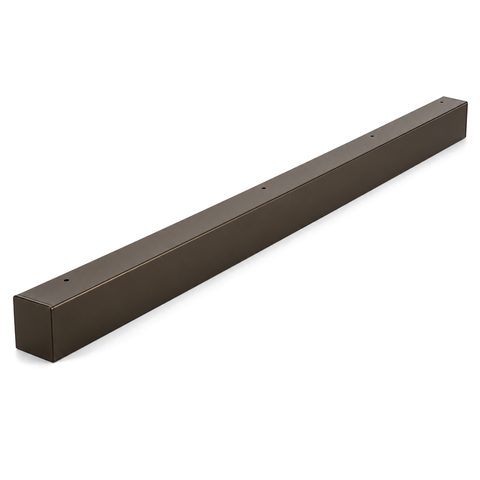 Raceway for Channel Letters
How can I tell if my old power supply has failed?
If every letter on that supply goes dark or flickers at the same time while the circuit has power, the supply is the usual suspect. An electrician can confirm it by measuring the 12 V output with a meter. If only one letter is dark, check that letter's wiring and modules first.
How far can the supply be from the letters?
As close as is practical. Low-voltage wire loses some voltage over distance, so long 12 V runs make the far letters dimmer. For long runs, use heavier wire or add a second supply nearer those letters.
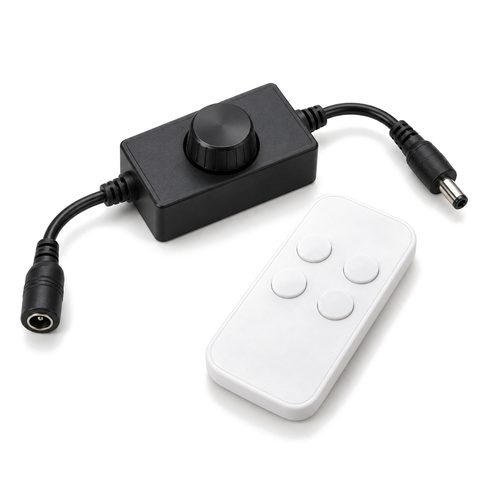 12V LED Sign Dimmer with Wireless Remote
Can it power constant-current LEDs or 24 V modules?
No. It is a 12 V constant-voltage driver for 12 V LED modules and strips. Constant-current LEDs and 24 V modules need a driver made for them.
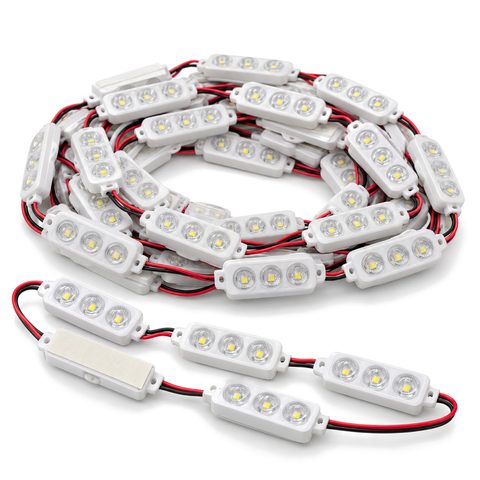 12V LED Modules for Channel Letters
You may also need
-
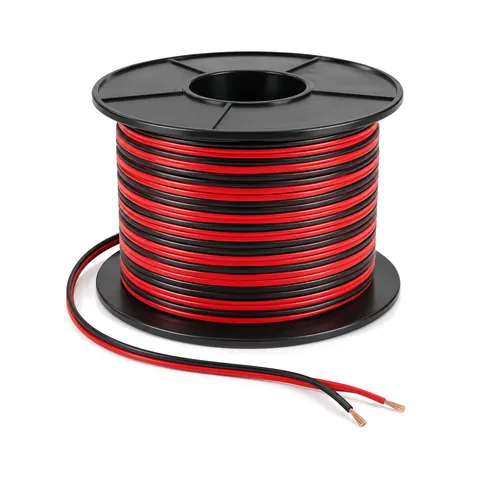
18/2 Low-Voltage LED Wire, Red and Black, Pure Copper, 50 or 100 ft
18 AWG two-conductor wire, red and black stranded pure copper, for the 12 V side of LED signs: power supply to letters and letter to letter.
From $16.99 · 2 options
-
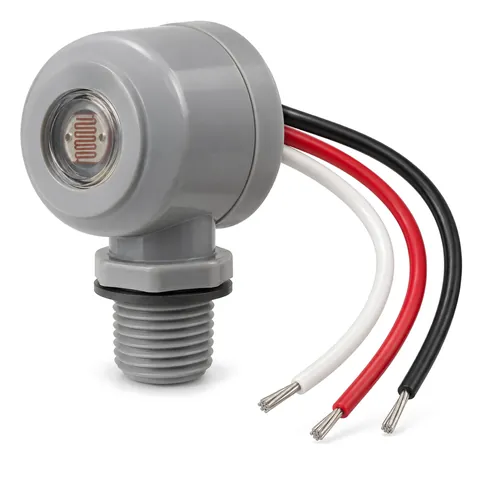
Dusk-to-Dawn Photocell Switch for Outdoor Signs, 120-277V
120-277 V dusk-to-dawn photocell that turns an outdoor sign on at dusk and off at dawn, wired on the line side before the power supply.
$16.99
-
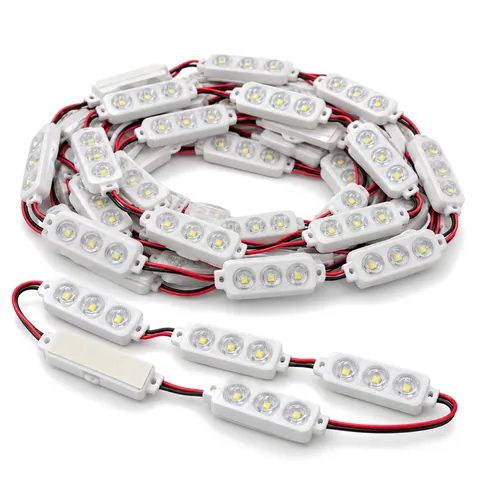
12V LED Modules for Channel Letters, 3-LED, IP65 Waterproof
12 V DC 3-LED injection modules for channel letter and lightbox repair: IP65, adhesive back, white 6500 K, warm 3000 K or red, in packs of 20 or 100.
From $14.99 · 5 options