Power and light
Sign electrical requirements: circuit, disconnect, wiring
What a hard-wired lit sign needs before install day: a sign circuit, a disconnect within sight, a licensed electrician, permits and the right questions.
Updated

A hard-wired outdoor sign usually needs three things: a branch circuit for the sign, a disconnect switch within sight of it, and a licensed electrician to connect the power supplies, often under an electrical permit separate from the sign permit. An indoor sign that plugs in through an adapter needs only an outlet nearby. The rules below follow the US National Electrical Code (NEC) as most places adopt it; your city may differ, so check with your building department.
Plug-in or hard-wired?
| Indoor plug-in sign | Outdoor hard-wired sign | |
|---|---|---|
| Power | Plug-in adapter, 100–240 V AC | Outdoor power supply wired to a sign circuit |
| What it needs | An outlet near the sign | A circuit, a disconnect, holes through the wall for wiring |
| Who connects it | You | A licensed electrician |
For an indoor sign, keep the adapter cord out of the wall. The code does not let a plug-in cord run inside a wall or through one, so if the outlet is far from the sign, extend the low-voltage side with wire rated for in-wall use, or have an outlet added. Channel letter power supplies explains the options.
What the electrical code usually asks for
Article 600 of the NEC covers electric signs. These are the parts that matter most for a channel letter sign:
| Item | Typical rule |
|---|---|
| Sign outlet | Commercial buildings and occupancies open to pedestrians must have at least one sign outlet at each tenant entrance, on a branch circuit rated at least 20 A that serves nothing else. |
| Circuit size | Circuits that feed LED signs are limited to 20 A. |
| Disconnect | Each sign needs a switch or breaker that cuts all the hot conductors. It must be within sight of the sign, meaning visible and no more than 50 ft away, or lockable in the off position. |
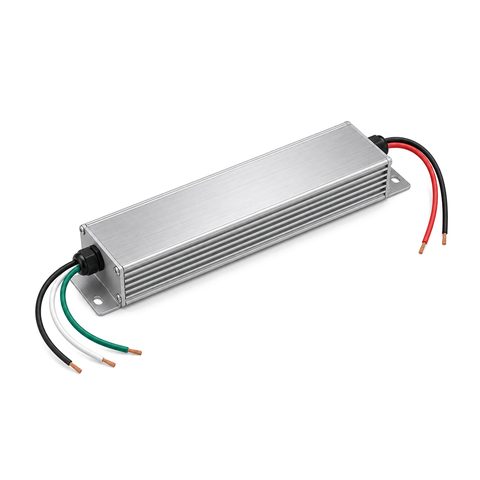
| Power supplies | Accessible and fastened in place, with the low-voltage wiring kept as short as practical. |
| Outdoor parts | Equipment and cable outdoors must be suitable for wet locations. |
| Grounding | The power supply is grounded, and metal sign parts are bonded where the code calls for it. |
The NEC is revised every few years, and states and cities adopt editions on their own schedules, sometimes with local changes. Your electrician and building department will know which edition applies to you.
Signs run for hours at a stretch, so the code treats a sign circuit as a continuous load, and the electrician sizes the circuit with extra margin over the sign’s actual draw. That is one more reason the sign gets a circuit of its own instead of sharing one with the shop’s outlets or lights.
Does the space already have a sign circuit?
If the building was built or remodeled under a recent code, the space may already have the required sign outlet. Ask the landlord where it is and whether anything else is on it. If there is none, the electrician runs a new circuit from the panel, which adds to their quote.
Who does what
| Task | Who usually does it |
|---|---|
| Design, drawing and building the sign | Us |
| Sign permit application | You or your installer |
| Electrical permit | The electrician, in many cities |
| Mounting the letters | Your sign installer or contractor |
| Circuit, disconnect and connecting the power supplies | A licensed electrician |
| Inspection | Your city’s building or electrical inspector |
Installation, sign permits and the electrician are not included in our price. If your city wants drawings with the permit application, our permit drawing package is made for that, and sign permits: what cities ask for explains the process.
Some places have their own rules on who may wire a sign. Grapevine, Texas, for example, requires lit signs to be wired by a state-licensed electrical sign contractor or master electrician. New York City and Rockford, Illinois, require a separate electrical permit for a sign that connects to the building, filed by a licensed or registered electrician. Ask your building department who may do the work where you are.
Questions to ask your electrician
- Is there an existing sign circuit at the entrance, and does it serve anything else?
- Where will the disconnect go? Will it be within sight of the sign, or lockable?
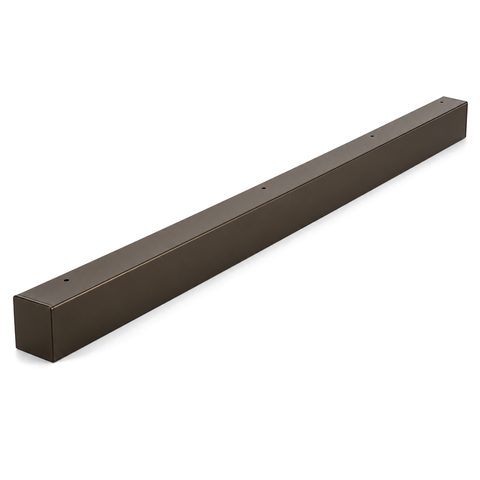
- Where will the power supplies sit: in a raceway, behind the wall, or above a ceiling with access?
- Where will the wires come through the wall, and how will those holes be sealed?
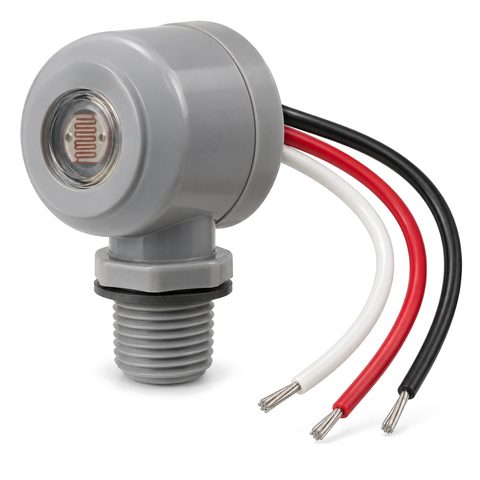
- Will the sign run on a dusk-to-dawn photocell, a sign timer or both, and where will they be mounted?
- Will you pull the electrical permit and schedule the inspection?
- Does the inspector want to see anything in particular, such as the drawing or equipment labels?
What to give the electrician
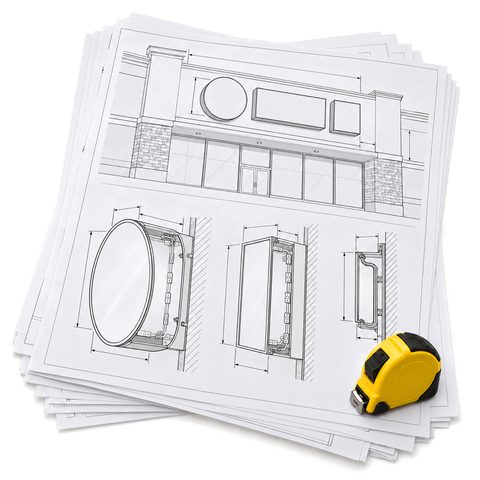
- The approved drawing, with letter sizes and layout.
- The full-size paper mounting template that ships with the sign. It shows where every letter goes, so the electrician can plan the wire paths.
- The number of power supplies, their wattage and where you want them. Ask us if your drawing does not show it.
- Any controls you want, so they are wired in at the same visit.
How to install channel letters covers the mounting side, and raceway vs direct mount explains how each method changes the wiring.
Inspection
Inspectors look at the circuit, the disconnect, the wiring method and the labels on the equipment. Our signs use a UL-listed power supply and LED modules, and outdoor builds use IP65-rated LED modules and outdoor power supplies. If your inspector asks for specific documents, tell us early so you have them on inspection day.
Controls are easiest to add now
A photocell, a timer or a smart Wi-Fi sign switch is usually wired into the sign circuit ahead of the power supplies. Adding one while the electrician is already on site saves a second visit. Photocells and sign timers explains which to choose. For drawings and permit help, browse our services.
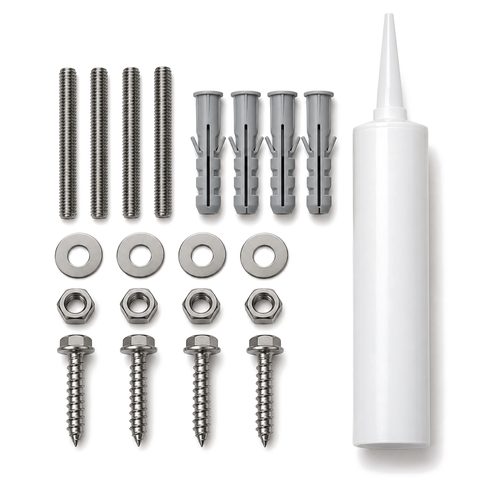 Channel Letter Mounting Hardware Kit
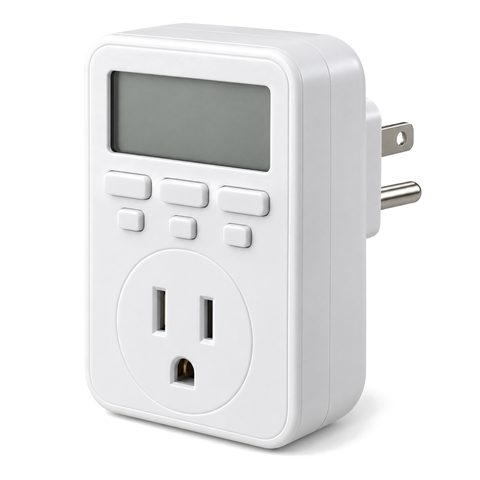 Digital 7-Day Timer for Lit Signs