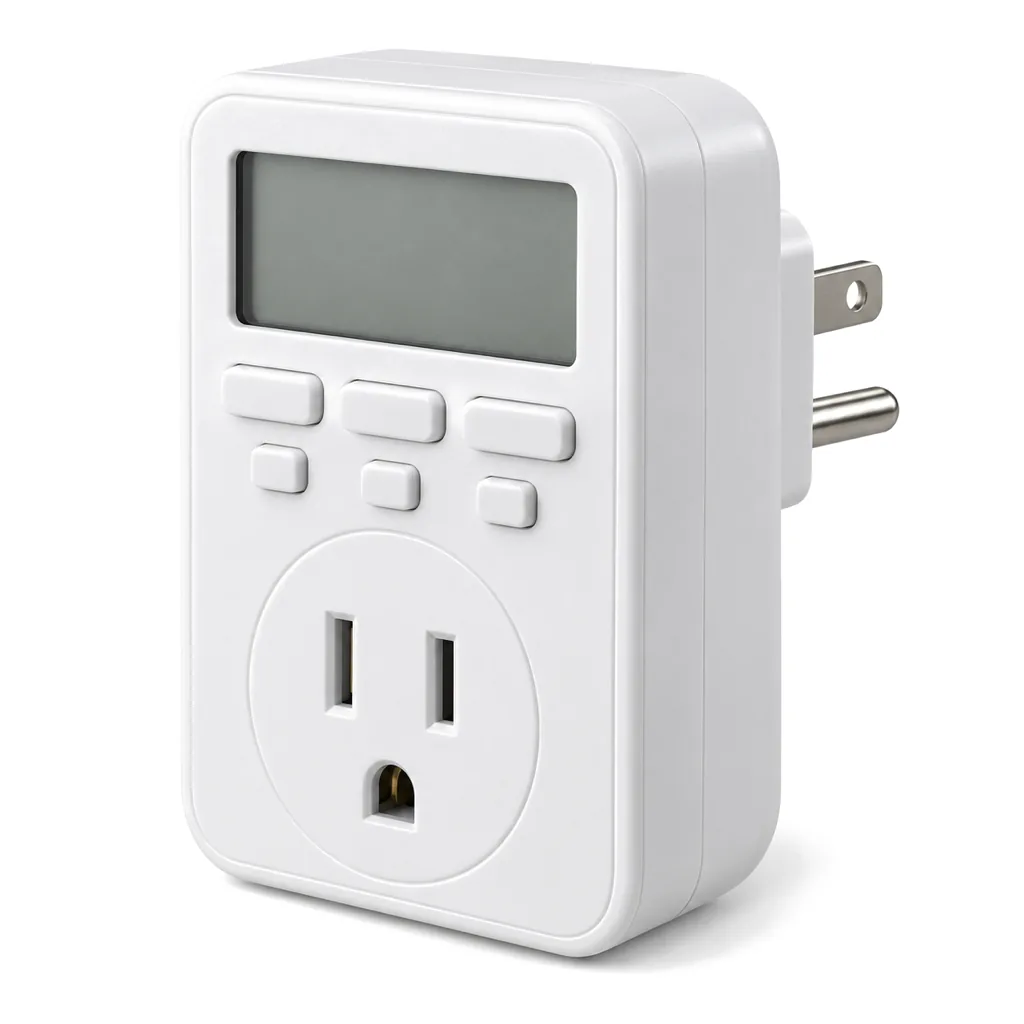
Photos illustrate the product type.
Digital 7-Day Timer for Lit Signs, Plug-In or In-Wall
Programmable 7-day digital timer that switches a lit sign on and off at set times: plug-in type for indoor signs, in-wall type for hard-wired ones.
A timer switches your sign on and off at the same times every day, so nobody has to remember to do it at opening and closing. This one is a programmable 7-day digital timer: you can set a different schedule for each day of the week, for example later hours on Friday and Saturday or the sign off on a day you are closed. It is also called a sign time clock or a programmable light timer.
It comes in two types, both for 120 V AC:
- Plug-in. Plug the timer into the outlet and the sign's power adapter into the timer. This is the type for indoor plug-in signs: lit letters on a lobby wall, a lightbox in a window, a desktop sign. No tools, no electrician.
- In-wall, hard-wired. It replaces a regular wall switch on the circuit that feeds the sign, and an electrician wires it. This is the type for hard-wired signs, including outdoor signs whose power supply is fed from a switch inside the building.
In-wall digital timers usually need a neutral wire in the switch box to power their electronics. Older switch boxes sometimes have none, so let your electrician check before you order.
The timer works on the 120 V side, before the sign's power supply or adapter. It does not go between the power supply and the letters on the 12 V side; for that, use our Wi-Fi smart switch.
Timer or photocell? A photocell switches on at dusk and off at dawn and follows the seasons by itself, but it keeps the sign on all night. A timer switches at set hours. Many storefronts use both: the photocell turns the sign on at dusk and the timer turns it off at closing time.
A timer also helps with local rules. Some cities ask for lit signs to go off around 10 or 11 pm, or at closing if that is later, especially near homes; check your sign code. After a long power outage or a daylight saving change, check the timer's clock.
When you order new letters, you can also have a timer wired in; it is an option in the price estimator.
How to choose
Look at how your sign gets power. If it plugs into an outlet through an adapter, choose the plug-in timer; it takes a minute to set up and needs no tools.
If the sign is hard-wired, which is how outdoor signs are connected, choose the in-wall timer and have your electrician install it in place of the switch that controls the sign circuit. Ask them to confirm there is a neutral wire in the box.
For an outdoor storefront sign, consider a photocell as well: it turns the sign on at dusk all year, and the timer turns it off at closing time.
Questions
Plug-in or in-wall: which do I need?
Plug-in for an indoor sign that plugs into an outlet through an adapter. In-wall for a hard-wired sign, installed by an electrician in place of the wall switch that feeds the sign.
Does the in-wall timer need a neutral wire?
In-wall digital timers usually do, because the neutral powers their electronics. Have your electrician check the switch box before you order.
Can I use the timer with a photocell?
Yes. The photocell turns the sign on at dusk and the timer turns it off at the hour you set, which is how many storefronts run their signs.
Does it work on 277 V circuits?
No. Both types are for 120 V AC. If your sign is fed from a 277 V circuit, ask your electrician about a control rated for that voltage.
Can the timer go between the power supply and the letters?
No. It switches the 120 V side. To switch the 12 V side of an indoor sign, use the Wi-Fi smart switch, which also runs schedules from a phone app.
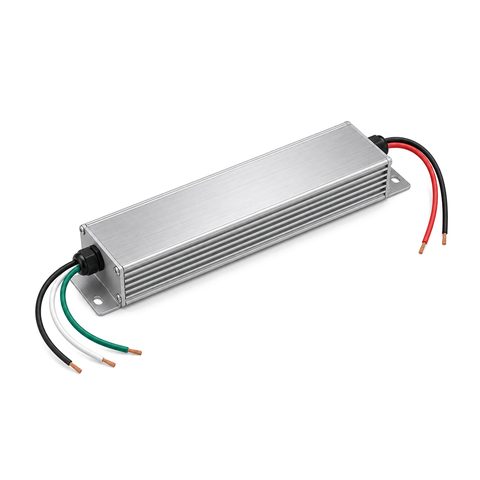 12V LED Sign Power Supply
Do cities limit how late a sign can stay lit?
Some do. Several city codes ask for lit signs to go off around 10 or 11 pm, or at closing if later, especially near homes. Check your city's sign code; a timer makes the rule easy to follow.
How do I set different hours on weekends?
Program each day on its own. For example: on at 5 pm every day, off at 10 pm Sunday to Thursday and at midnight on Friday and Saturday, with no on time on a day you are closed.
Can one timer run more than one sign?
Yes, if the signs share the circuit the in-wall timer controls, or plug into the plug-in timer together, and their total load stays within the rating printed on the timer.
You may also need
-
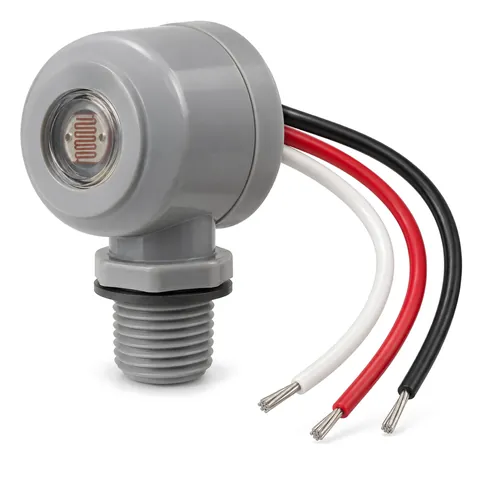
Dusk-to-Dawn Photocell Switch for Outdoor Signs, 120-277V
120-277 V dusk-to-dawn photocell that turns an outdoor sign on at dusk and off at dawn, wired on the line side before the power supply.
$16.99
-
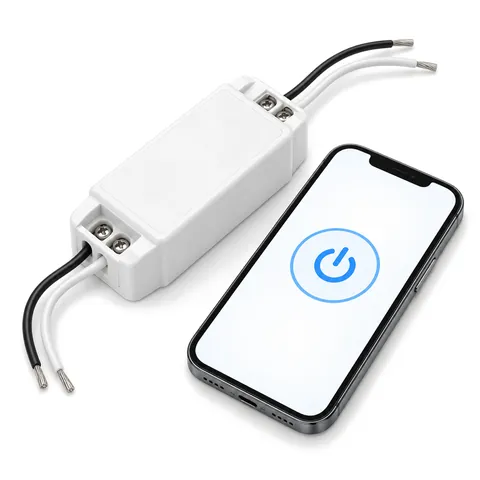
Wi-Fi Smart Switch for 12V Signs, App Schedules and Voice
Inline Wi-Fi switch for the 12 V side of a lit sign: turn it on and off and set schedules from a phone app or with common voice assistants.
$16.99
-
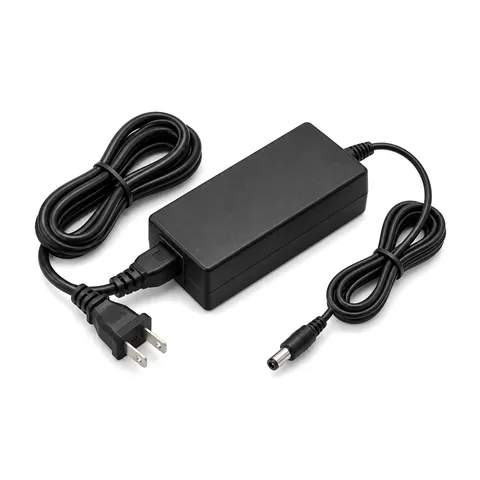
12V Plug-In Power Adapter for Indoor Lit Signs, UL Listed
UL-listed 12 V DC plug-in adapter (transformer) for indoor lit letters, logo signs and lightboxes: 100-240 V input, 5.5 x 2.1 mm plug, 24, 36 or 60 W.
From $14.99 · 3 options