Install and care
Channel letter maintenance and cleaning
How to clean stainless steel letters and acrylic faces without scratching them, what never to use, and a twice-a-year check that catches problems early.
Updated
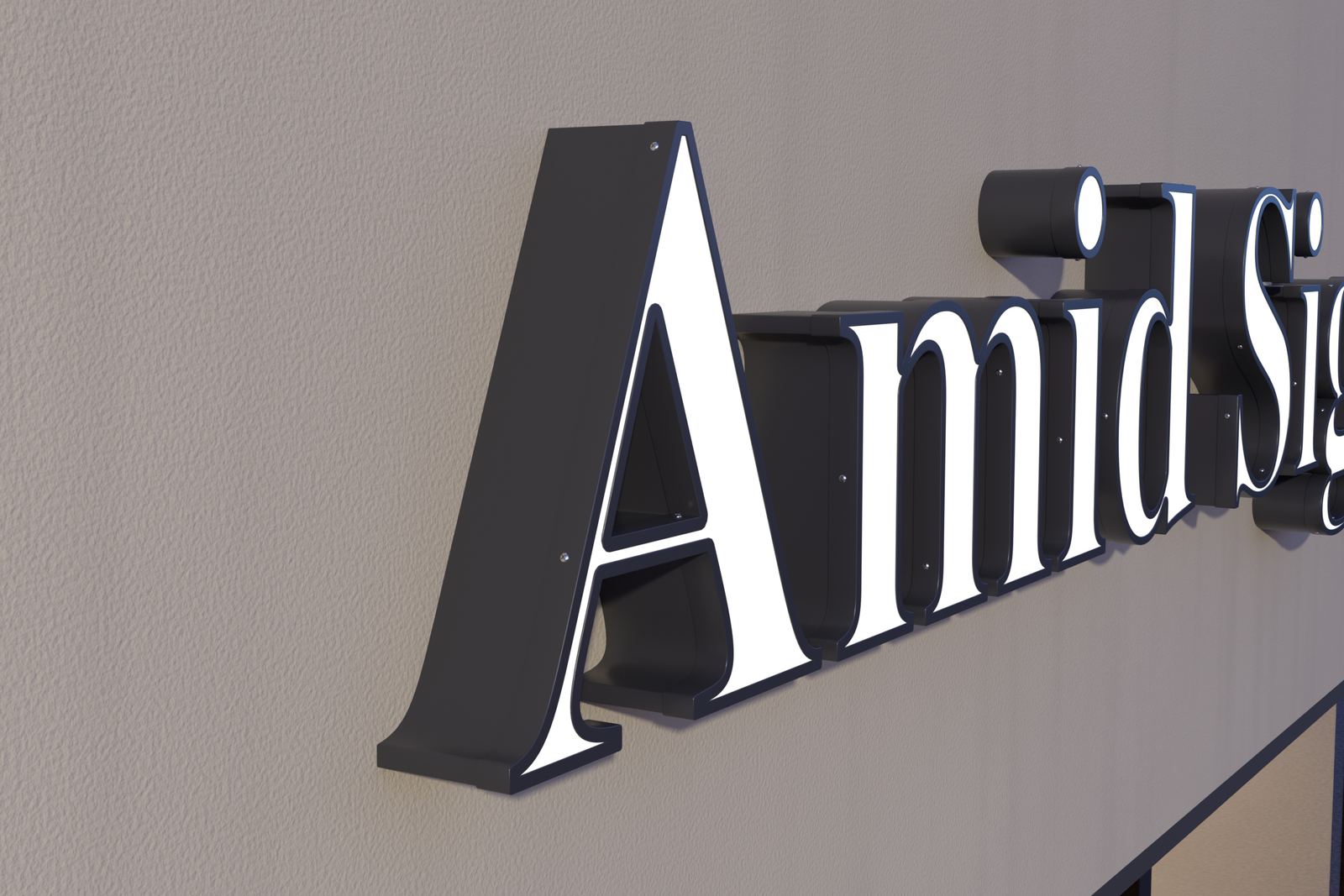
Wash the stainless with warm water, a little mild soap and a soft cloth, wiping along the grain, then rinse and dry. Wash acrylic faces the same way, with lukewarm water, mild soap and microfiber, and never with ammonia or solvents. Twice a year, look the sign over: every letter lit evenly, drain holes open, wire holes sealed, and the power supply dry. Our letters are 304 stainless steel, so they do not rust through, but dirt and salt still dull the finish.
Before you start
- Switch the sign off and let it cool. For anything beyond wiping the outside, such as opening a letter or touching wiring, turn it off at the breaker.
- Work safely. Use a ladder set about 1 ft out for every 4 ft of height, keep three points of contact, and do not stand on the top step. For high signs, use a lift or hire a sign service.
- Pick a cool, cloudy time. Soap dries fast on sunny metal and leaves streaks.
Cleaning the stainless steel
| Finish | How to clean it | Watch for |
|---|---|---|
| Brushed | Mild soap and warm water on a soft cloth or sponge, wiping along the brush lines. Rinse and dry. | Wiping across the grain leaves marks that show in low sun. |
| Mirror | Mild soap and water, then dry and buff with a clean microfiber cloth. | Fingerprints and water spots show most on mirror. Dry it completely. |
| Gold (titanium-coated) | Mild soap and water and a soft cloth only. | No polishes, abrasive pads or scouring powder. They can wear the coating. |
| Painted | Mild soap and water and a soft cloth. | No solvents or abrasive pads. |
Steps for any finish:
- Rinse loose dust and grit off first, so you are not rubbing it into the surface.
- Wash with a soft cloth or sponge and a bucket of warm water with a few drops of mild soap.
- Rinse with clean water.
- Dry with a clean microfiber cloth. Drying prevents water spots, especially where the water is hard.
Never use steel wool, wire brushes or metal scouring pads. They scratch, and they can leave bits of ordinary steel on the surface that rust and look like the letter is rusting. Avoid cleaners with chlorine bleach or chlorides as well.
Near the ocean or salted roads
Salt is the main cause of the light brown surface staining sometimes seen on stainless near the coast, called tea staining. It does not eat through the steel, but it looks neglected. Rinse the letters with fresh water more often, anywhere from every few weeks to every few months depending on how close the sign is to the sea, and wash them with mild soap whenever they look dull. A sign under an overhang, where rain never rinses it, needs this most.
Cleaning acrylic faces
Front-lit faces are acrylic. Acrylic holds up well outdoors, but it scratches if it is rubbed dry or with grit on it.
- Rinse the face with lukewarm water to float off dust and grit.
- Wash it gently with mild soap and lukewarm water on a soft microfiber cloth or sponge. Do not scrub, and do not use brushes or squeegees.
- Rinse, then blot dry with a soft cloth. Paper towels can scratch.
Never use ammonia, ordinary window cleaner with ammonia, acetone, gasoline, paint thinner or other solvents on acrylic. They can cloud the surface or cause fine cracks called crazing. If a face is scratched, cracked or faded, order a replacement acrylic face for that letter.
Open-face letters with LED neon
Clear leaves, dust and insects out of the open channel by hand or with a soft brush, and wipe the LED neon with a damp cloth. Do not pull on the neon or its clips. If a run of neon is out, see channel letters not lighting.
The spring and fall check
Twice a year, or after a big storm, walk the sign in daylight and again after dark.
- Light. Every letter is lit, with no dark patches, flicker or one module a different color.
- Drain holes. The small holes in the bottom of outdoor letters are open, not packed with dirt, paint or insects. Water that cannot drain sits on the LEDs.
- Wire holes and sealant. The silicone where wires enter the wall is not cracked, peeling or missing.
- Fasteners. No letter has shifted, tilted or come loose from the wall.
- Faces. No cracks, no gaps at the trim cap, no faces bowing out.
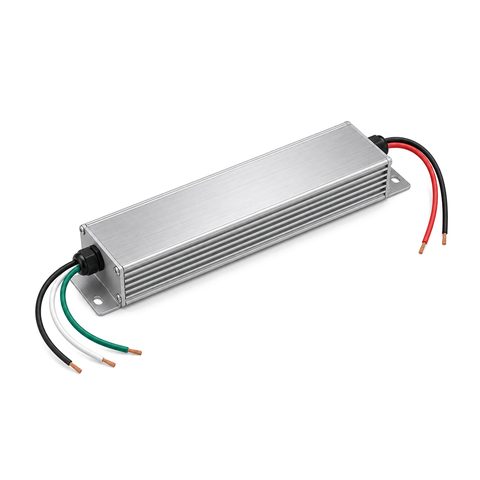
- Power supply. Its location is dry, with no water stains, burn marks or buzzing.
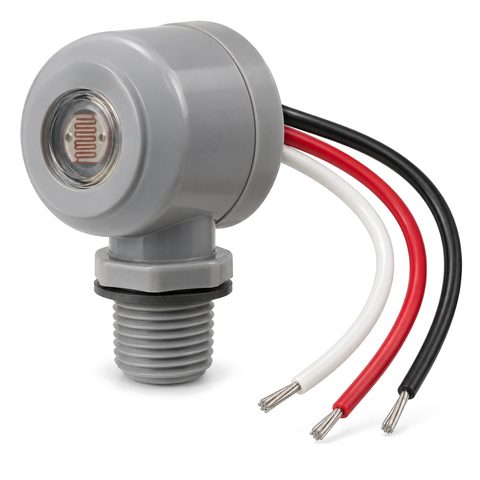
- Controls. The timer is on the right time after any power cut, and the photocell lens is clean and not shaded by a new awning or tree.
Water getting inside is behind many sign failures, so items 2 and 3 matter most.
What you can fix yourself, and what you cannot
You can clean the sign, clear drain holes, reseal the outside of a wire hole and work on the 12 V side, such as LED modules and low-voltage wire. Anything on the line-voltage side, including a hard-wired outdoor power supply, is for a licensed electrician, with the power off at the breaker.
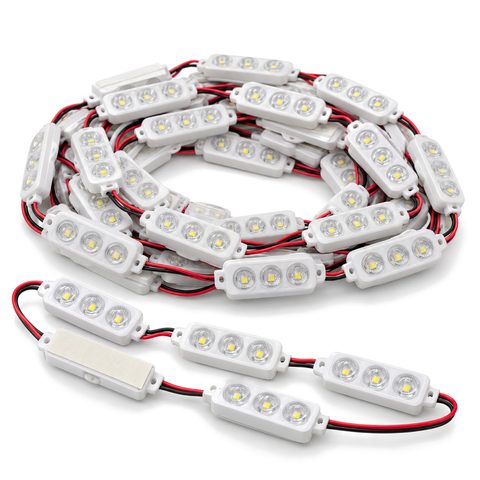
For a sign that already has problems, see how to replace LED modules or our sign repair page. Spare parts are in repair parts.

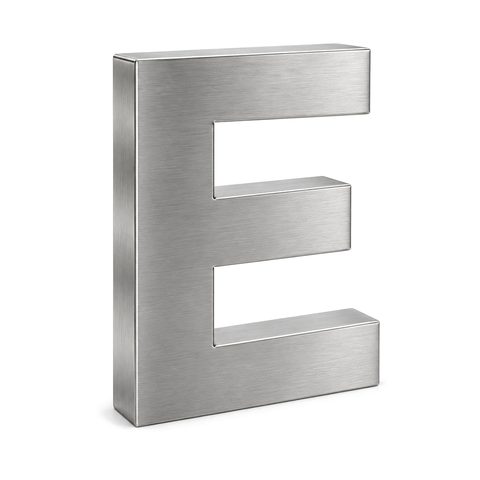 Brushed Stainless Steel Letters
 Front-Lit Channel Letters