Planning
Lit house numbers: size, contrast and address rules
How to choose lit house numbers that visitors and fire crews can read at night: size and stroke, contrast, halo glow, placement and local address codes.
Updated
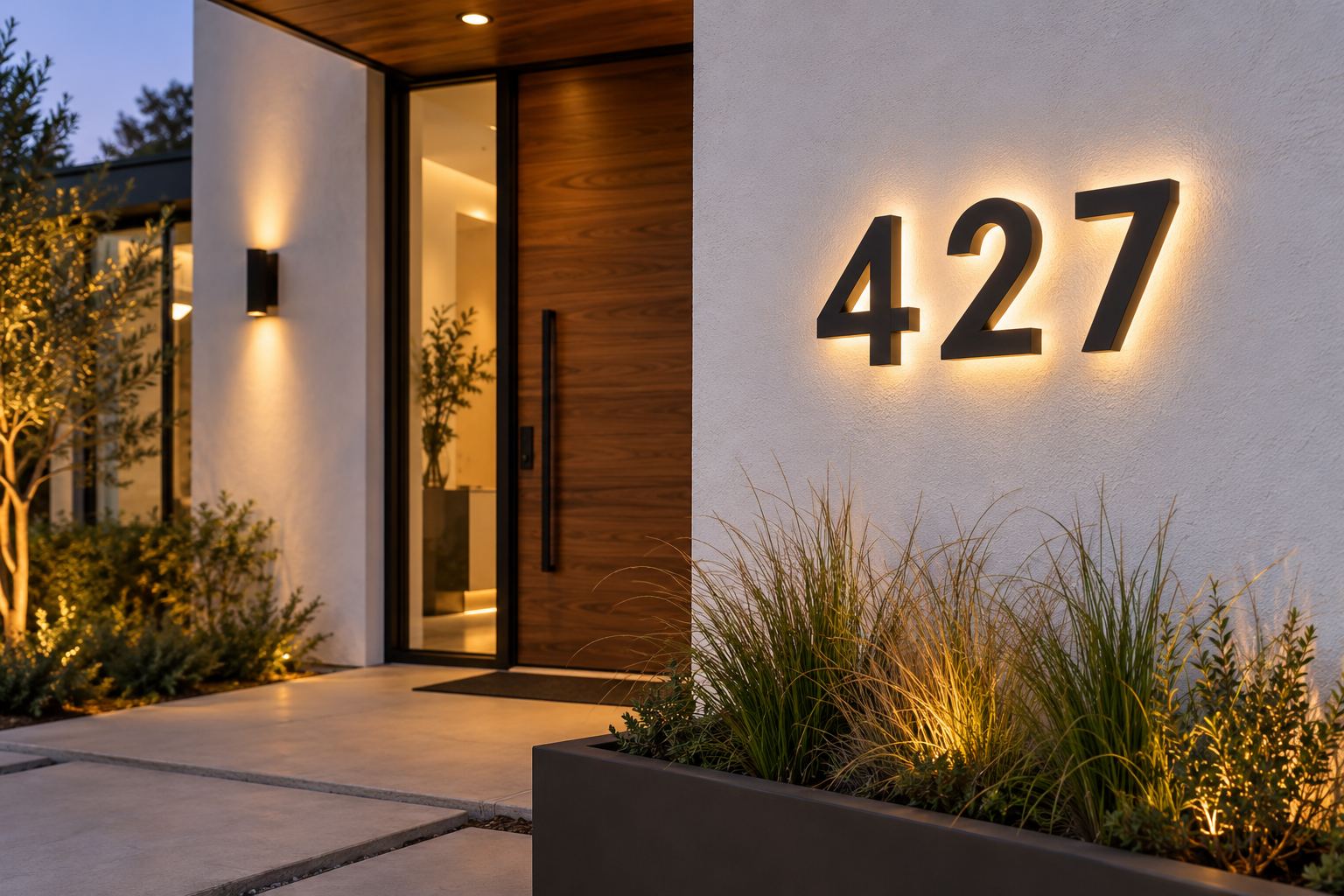
Address numbers need to be readable from the street, day and night, so visitors, deliveries and emergency crews can find you. The model codes most US towns adopt ask for numbers at least 4 in tall with a 1/2 in stroke, in a color that contrasts with the wall, and many cities ask for more, especially on businesses. Lit numbers solve the night half of the problem, as long as they are big enough and placed where the street can see them.
What address codes usually require
The International Residential Code (for homes) and the International Fire Code (for all buildings) set the baseline, and cities add to it.
| Rule | Typical requirement |
|---|---|
| Height | At least 4 in |
| Stroke width | At least 1/2 in |
| Characters | Arabic numerals (1, 2, 3) or letters, not spelled-out words |
| Contrast | The numbers must contrast with their background |
| Placement | Plainly legible and visible from the street or road in front of the property |
| Hidden buildings | If the building cannot be seen from the road, a post, monument or sign at the road carries the number |
Local additions are common:
- Businesses. Many cities ask for larger numbers on commercial buildings, often 6 in, and 12 in or more on large or industrial buildings.
- Distance. Some codes size numbers by how far the building sits from the street, with taller numbers for deeper setbacks.
- Lighting. Some cities require address numbers to be lit after dark. Several California cities, for example, require new buildings to have internally or externally lit address numbers.
Your local fire department or building department has the exact figures, and some publish a short address standard you can print.
How big should lit numbers be?
Start with the code minimum, then size for distance. A 4 in number is legal in many places but small from a car across the street. If your door is set well back, or the numbers sit high on a two-story wall, go larger. The letter height calculator and the letter height chart give heights by viewing distance, and how tall should sign letters be explains the method.
Stroke matters as much as height. Thin, decorative digits blur at night, especially with a glow behind them. Choose a bold, simple typeface, with strokes well above the 1/2 in minimum on larger numbers. Choosing a font for channel letters has more on stroke widths.
Contrast by day and by night
Lit numbers have two looks, and both need to work.
By day they read like any metal number, so the face finish must contrast with the wall. Fire service advice is simple: black numbers on a white house, white or light numbers on brick, and care with brass or bronze, which can disappear against many backgrounds.
By night halo-lit numbers glow from behind. The light falls on the wall around each digit, and the dark face of the number shows as a crisp shape in front of its own glow. That works best on a light, smooth, matte wall. A colored wall tints the glow, rough stone or deeply textured brick breaks it up, and a dark wall reflects less light, so the halo looks weaker.
| Wall | Daytime face | Night look |
|---|---|---|
| White or light stucco | Black or a dark painted color | Strong halo, crisp digits |
| Light gray or beige siding | Black, or brushed stainless | Good halo |
| Red or dark brick | White, a light painted color, or brushed stainless | Weaker, warmer halo; a light panel behind the numbers helps |
| Dark painted wall | Brushed stainless, white or a light painted color | Weak halo; consider a light panel behind the numbers |
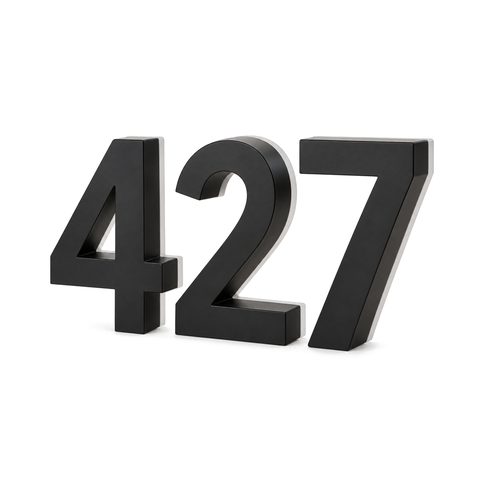
Our halo-lit house numbers are 304 stainless steel digits with a translucent acrylic back, in brushed, gold or painted finishes in any color, including black.
Lit numbers, or unlit numbers under a light?
| Option | At night | Notes |
|---|---|---|
| Halo-lit numbers | A glowing outline on the wall | Clean look by day; needs a suitable wall |
| Front-lit letters and numbers | Lit faces, the brightest option | Common for business addresses on the sign band |
| Unlit metal numbers under a porch light | Depends on the light | Fire service advice: put numbers where a light falls on them |
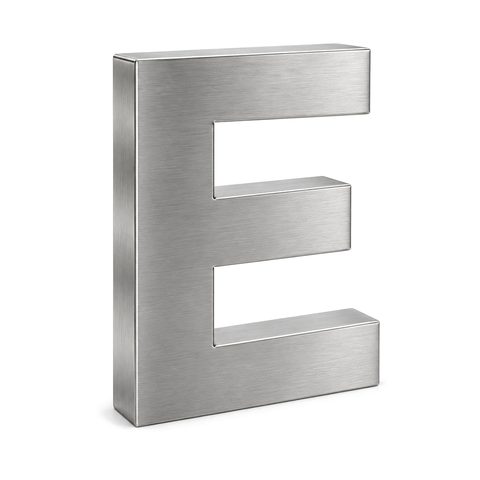
For unlit numbers, see brushed stainless steel letters. For a business, the address can be part of the main sign; browse front-lit letters.
Placement
- Face the street, near the front door, above eye level and clear of plants, posts and parked cars.
- Make them readable from both directions of travel.
- Avoid garage doors and anything else that moves.
- Mark the mailbox too, but not only the mailbox. Numbers on both sides of the mailbox help, but they should not be the only address marking.
- On a long driveway, put numbers at the road as well, on a post or the mailbox.
- Use your official 911 address.
Power and switching
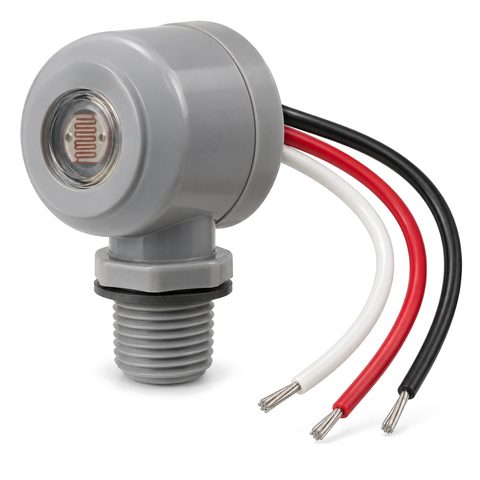
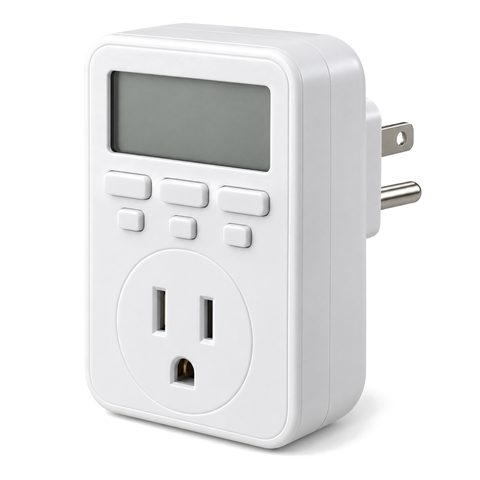
Lit numbers run on 12 V DC LEDs. Outdoors they use a hard-wired outdoor power supply that a licensed electrician connects; on a house, the electrician will decide which circuit and switch to use. A dusk-to-dawn photocell turns the numbers on every evening without anyone remembering, which matters where the code wants numbers lit during all hours of darkness. Where that is not required, a sign timer can turn them off at a set hour. Photocells and sign timers compares the two.
For the light color, warm white (2700–3000 K) matches porch lights and suits the dark-sky guidance some towns follow; see LED color temperature for signs.
HOA and historic rules
If you live in an HOA or a historic district, check its rules on house numbers and exterior lighting before you order.
Ordering lit house numbers
Send your address digits, a photo of the wall and the size you need through the house numbers project page or the quote form. We email a free drawing with a lit preview and an exact price, and nothing is built until you approve it. Every set ships with a full-size paper mounting template and the mounting hardware. Browse small letters and numbers for more.
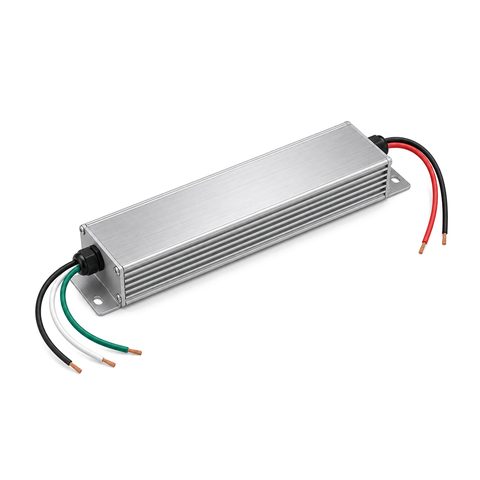 12V LED Sign Power Supply